General Dan Caine, chairman of the Joint Chiefs of Staff, wrote to Senator Elissa Slotkin of Michigan confirming the US military has no plans to deploy troops to polling places for the November 2026 midterm elections, stating he has neither received nor anticipates receiving any unlawful order regarding the armed forces’ role in the vote. The letter, reported in late August, also explicitly ruled out using troops to seize ballots or voting machines, with Caine emphasizing that election administration and security remain the responsibility of state and local officials.
The Legal Backdrop
Caine’s assurance aligns with longstanding federal law, which generally prohibits deploying US troops at polling places or using the armed forces to oversee elections, a restriction rooted in deep historical concern about military involvement in civilian political processes. His letter effectively reaffirmed an existing legal baseline rather than announcing any new policy, but the fact that such an assurance was sought and offered at all reflects how seriously concerns about potential military involvement had escalated among some lawmakers.
Why Slotkin Asked
Slotkin’s inquiry did not emerge from a vacuum. President Trump said in May that he would “do anything necessary to make sure we have honest elections” when directly asked whether he might deploy troops or Immigration and Customs Enforcement agents to voting locations, a comment that alarmed voting rights advocates and some members of Congress enough to prompt direct written assurances from military leadership. Slotkin, a former Pentagon official herself before entering Congress, would have been well positioned to recognize the significance of seeking that confirmation through formal channels.
A Narrower Assurance Than It First Appears
Despite Caine’s unambiguous letter, critics have pointed out that the phrase “no plans” describes current intentions rather than a binding, permanent commitment, meaning plans could theoretically change on short notice without necessarily violating the letter of Caine’s statement. That semantic gap has fueled continued skepticism among some advocacy groups and Democratic lawmakers who argue the assurance, while reassuring on its face, does not foreclose the possibility of a last-minute reversal.
The Defense Secretary’s Silence
Slotkin’s office has said Defense Secretary Pete Hegseth has not personally responded to her request that he separately confirm troops will not be deployed to polling places in November, a gap that stands in contrast to Caine’s direct written assurance. The absence of a parallel confirmation from the civilian defense secretary, who holds ultimate authority over military deployments alongside the president, has left some of the underlying uncertainty only partially addressed despite Caine’s letter.
The Broader Climate of Distrust
Caine’s letter arrives amid a broader pattern of eroding trust in election administration, with federal lawsuits over voting rules, congressional fights over citizenship-verification legislation, and disputes over voting-machine security research all unfolding in parallel during the same election cycle. Against that backdrop, even a direct, on-the-record assurance from the nation’s top military officer has not been sufficient to fully quiet concerns among lawmakers who see the current environment as unusually fraught.
What’s Next
With the midterms now underway, the practical test of Caine’s assurance will simply be whether it holds through Election Day and any post-election certification disputes that follow, a period when tensions around close or contested races could create new pressure points. Slotkin’s unanswered follow-up request to Hegseth suggests this issue may resurface, particularly if close races produce the kind of post-election disputes that have characterized recent election cycles.
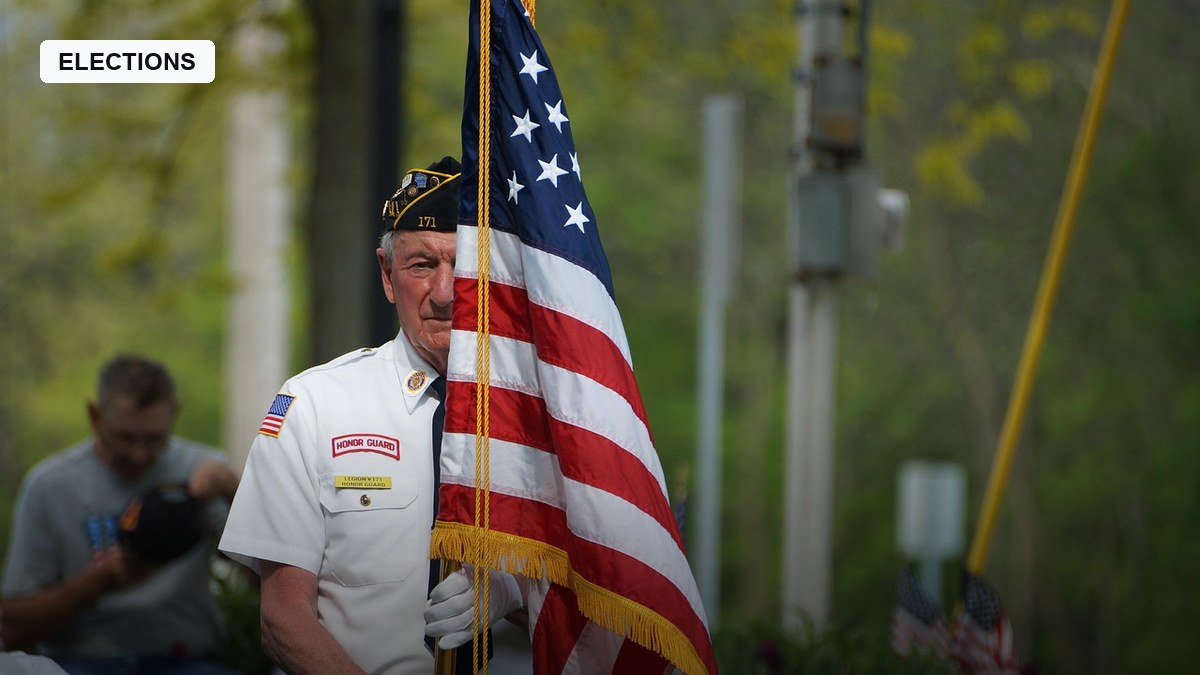
Photo: JCDCreative / PIXABAY via Pixabay