The America First Policy Institute, a conservative group aligned with the Trump administration, has opened an inquiry into how mail-in and absentee ballots were administered in Virginia’s recent redistricting referendum, which passed by a narrow margin and could boost Democratic-leaning congressional districts. President Trump has publicly characterized the vote as a ‘rigged’ and ‘crooked’ victory for Democrats, amplifying the referendum’s result as a point of national political contention.
What the Referendum Decided
Virginia voters approved a redistricting plan that observers say could shift the balance of the state’s congressional delegation toward Democrats, a result that, given the narrow margin of the ‘yes’ vote, has made the underlying ballot administration process a target for scrutiny from groups skeptical of the outcome. The referendum followed a broader national pattern in which several states have pursued mid-decade redistricting changes ahead of the 2026 midterms, often along explicitly partisan lines.
The Inquiry’s Specific Requests
AFPI’s request asks Virginia election officials to turn over internal communications regarding how mail-in and absentee balloting was administered during the referendum vote, a records request that mirrors tactics used in other post-election disputes where outside groups seek administrative documentation rather than filing formal legal challenges to the certified result. The group has not yet filed a lawsuit seeking to overturn the referendum result, with the current inquiry limited to document requests.
How This Fits the Broader National Pattern
The Virginia inquiry arrives amid a broader wave of post-election scrutiny across multiple states, including a separate Justice Department subpoena to Fulton County, Georgia’s election board that the board has moved to quash, suggesting a coordinated pattern of federal and allied-group scrutiny directed at jurisdictions where election results have become politically contested. Election law experts have noted that this pattern of document requests and subpoenas, even without formal legal challenges, can create significant administrative burden for local election offices already operating with constrained budgets.
Virginia Officials’ Response
Virginia election officials have not publicly detailed their response to AFPI’s records request, though the referendum’s certification proceeded through the state’s standard canvassing and certification process before the inquiry became public. State officials have generally maintained that Virginia’s election administration followed all applicable state and federal laws governing mail-in and absentee ballot processing.
The Redistricting Stakes
Because the referendum’s outcome could affect the partisan lean of Virginia’s congressional districts ahead of the 2026 midterms, the inquiry carries direct implications for which party controls potentially competitive House seats, raising the political stakes considerably beyond a routine administrative review. Both parties have treated Virginia’s redistricting fight as a significant battleground in the broader national redistricting wars playing out across multiple states this cycle.
What’s Next
AFPI’s inquiry is expected to continue gathering records from Virginia election officials, with the possibility that findings could later form the basis of a formal legal challenge if the group identifies what it considers significant irregularities. The referendum’s certified result stands as valid under Virginia law unless and until a successful legal challenge changes that status.
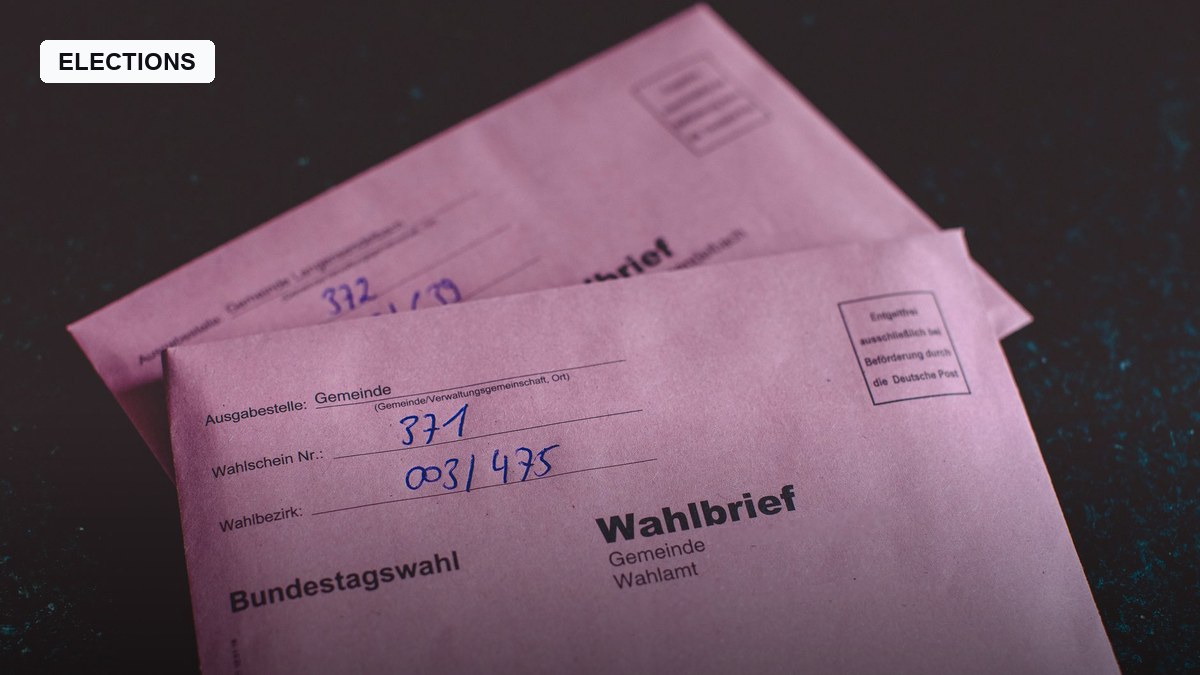
Photo: Markus Spiske / PEXELS via Pexels