A coalition of Democratic-led states filed what was described as the fourth separate legal challenge to President Trump’s executive order on mail-in voting, adding to a stack of litigation that US District Judge Indira Talwani has allowed to move forward specifically on claims tied to the 2026 midterm elections. Talwani denied the administration’s request to dismiss the case entirely, though she ruled plaintiffs must wait before raising concerns about elections beyond this cycle.
What the Order Actually Does
At the center of the dispute is the executive order’s requirement that the US Postal Service compile lists of “approved mail voters,” lists that would effectively determine who is eligible to receive an absentee ballot through the mail. Critics argue that inserting the Postal Service into what has traditionally been a state-run voter eligibility determination both exceeds federal authority and creates a mechanism that could improperly restrict ballot access for voters who have long relied on mail voting.
A Widening Legal Coalition
Beyond the states’ lawsuit, voting rights organizations including the League of Women Voters have filed their own separate complaints, asking courts to block the order before it can take effect for the midterms. The volume and variety of plaintiffs, spanning both state attorneys general and national advocacy groups, reflects how broadly the order has been perceived as a threat across different corners of the voting rights legal community.
The Political Framing Fight
Congressional Democratic leaders, including Senate Minority Leader Chuck Schumer and House Minority Leader Hakeem Jeffries, have publicly accused the administration of attempting to “rig” mail-in voting through the order, a characterization the White House has rejected, with officials saying the administration will continue pursuing the voting-security agenda the president was elected to implement. That sharp partisan framing has made the litigation as much a political flashpoint as a legal one.
The Judge’s Narrow but Significant Ruling
Talwani’s decision to let claims proceed specifically for the November midterms, while deferring broader future-looking disputes, represents a partial win for challengers rather than a complete victory. It keeps the immediate controversy alive and litigable ahead of the midterms themselves, while avoiding a sweeping ruling on the order’s long-term legal status that could have either validated or permanently blocked the policy outright.
What Comes Next in the Litigation
Plaintiffs have asked the court to consider a preliminary injunction that would halt the order’s implementation before it can affect ballot access in the current election cycle, a request that, if granted, would represent the most consequential near-term outcome of the case. Whether Talwani grants that injunction will likely determine whether the Postal Service’s “approved mail voter” lists ever take effect in time to shape how the 2026 midterms are actually administered.
What’s Next
With four separate legal challenges now pending and a preliminary injunction request still awaiting a ruling, the mail-in voting order’s practical fate for this election cycle remains unresolved even as ballots are already being requested and returned in many states. The outcome will likely set an important precedent for how much authority a president can exercise over mail voting procedures that have historically been left to state election administrators.
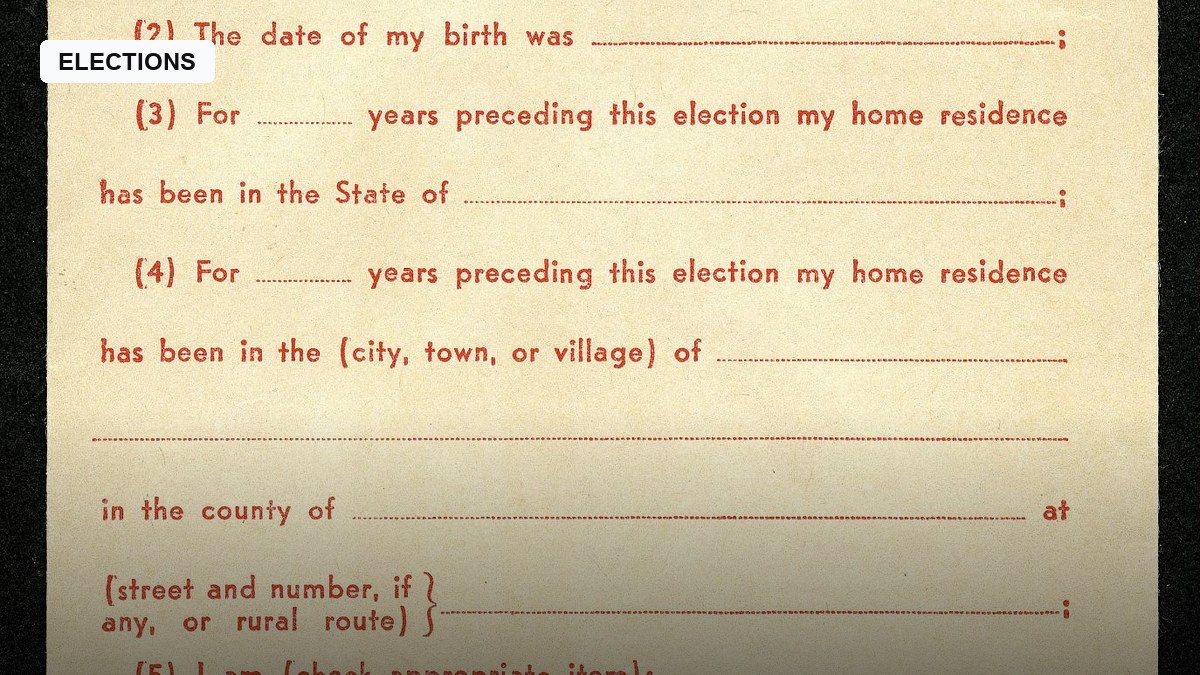
Photo: public domain via smithsonian_postal_museum