Michigan’s open Senate race has become one of the closest contests of the midterm cycle, with Democrat Abdul El-Sayed holding only a narrow edge over Republican Mike Rogers as the campaign enters its final two weeks. An InsiderAdvantage poll released October 11 put El-Sayed at 48% to Rogers’s 46% among likely voters, a two-point gap within the survey’s 2.83-point margin of error. A string of other October polls, including surveys from YouGov, Quantus, CBS Detroit/Mitchell Research and Wedgewood, have shown similar single-digit margins, underscoring how competitive the race for retiring Senator Gary Peters’s seat has become.
An Open Seat Up for Grabs
The race exists because Gary Peters, a two-term Democratic senator, announced in January 2025 that he would not seek a third term, instantly turning Michigan into one of the most closely watched Senate battlegrounds in the country. Sabato’s Crystal Ball rated the contest a toss-up from the earliest days of the cycle, reflecting both Michigan’s recent history as a swing state and the lack of an incumbent on either side to anchor the race.
El-Sayed’s Path to the Nomination
Abdul El-Sayed, a physician and former Michigan health department director, emerged from a crowded Democratic primary field that at various points included Representative Haley Stevens, state Senator Mallory McMorrow and state Representative Joe Tate. His campaign has leaned on progressive healthcare and economic messaging aimed at mobilizing younger and working-class voters in a state Democrats cannot afford to lose if they hope to retake the Senate majority.
Rogers’s Comeback Bid
Mike Rogers, a former congressman and FBI agent who narrowly lost Michigan’s 2024 Senate race to Elissa Slotkin, is making a second consecutive run at a Senate seat after signaling as early as January 2025 that he would consider getting back into the race. His campaign has focused on border security, inflation and casting El-Sayed as too far to the left for a state that Donald Trump carried narrowly in recent presidential contests, even as Michigan has elected Democratic senators in every cycle since 2000.
What the Polling Average Shows
Beyond any single survey, the broader polling picture shows El-Sayed’s lead holding in the low single digits across nearly every public poll released in October, with margins ranging from one point in a Quantus survey to seven points in an internal Wedgewood Polls release. Prediction market Kalshi has priced El-Sayed’s chances at roughly 67%, with Rogers at 34%, a gap wider than the polling margin would suggest and a reminder that markets tend to weight Michigan’s recent Democratic Senate voting history alongside the polls themselves. A Public First Action/Guidant poll released the same week also found the state’s governor’s race tight, with Democratic Secretary of State Jocelyn Benson leading Republican John James 50% to 45%, suggesting the dynamics squeezing Rogers in the Senate race may be weighing on Republican candidates further down Michigan’s ballot as well.
Two Campaigns, Two Closing Arguments
El-Sayed’s campaign argues that momentum has shifted in Democrats’ favor nationally amid dissatisfaction with the cost of living, and that his health-policy background gives him a direct line to voters worried about prescription drug costs and hospital access in both Detroit and rural parts of the state. Rogers’s campaign counters that El-Sayed’s progressive record will not wear well in Michigan’s manufacturing counties and that voters frustrated with Washington gridlock are looking for an experienced hand willing to work across the aisle, pointing to his history in Congress and at the FBI as evidence of that record.
What’s Next
With roughly two weeks remaining before the November 3 election, both campaigns are pouring resources into get-out-the-vote operations across Wayne, Oakland and Macomb counties, the state’s most populous and most closely watched for turnout. National Democratic and Republican committees have both signaled they view Michigan as a must-win data point for control of the Senate, meaning spending and advertising in the race are likely to intensify through Election Day, with the outcome potentially hinging on turnout in the same suburban and exurban communities that have swung the state in each of the last several cycles. Republicans currently hold a 53-47 Senate majority, meaning Democrats need a net gain of four seats nationally to retake control, and strategists in both parties count Michigan among the handful of races that will determine whether that math is even possible heading into the new Congress.
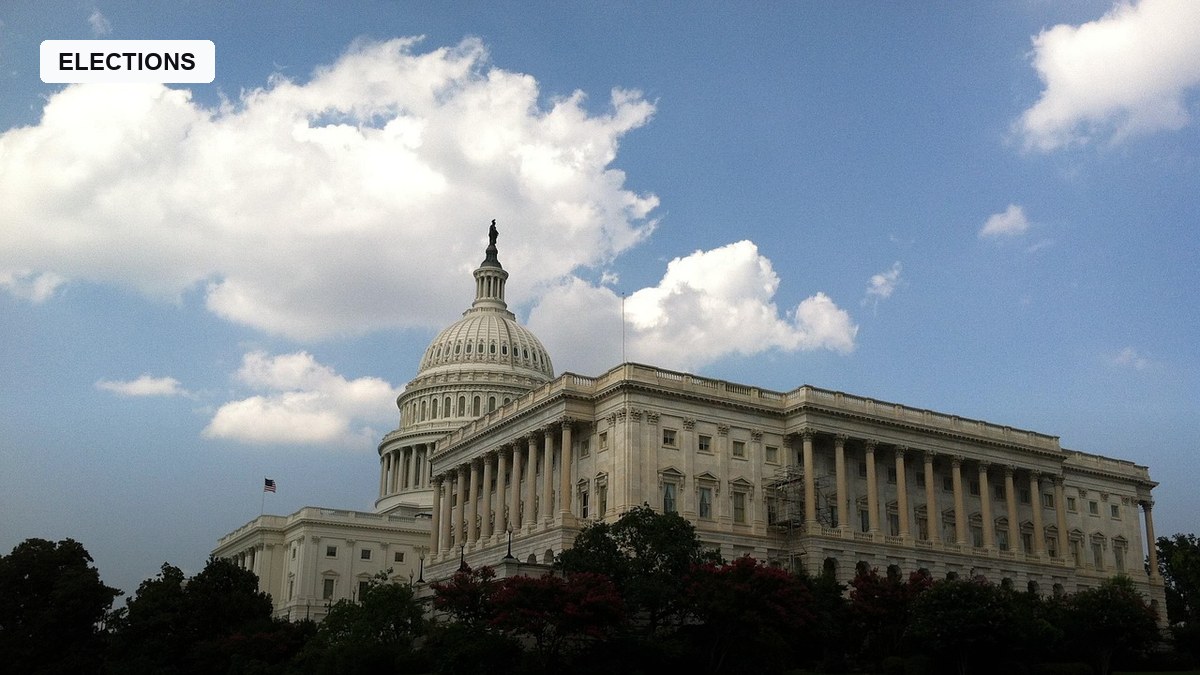
Photo: bones64 / PIXABAY via Pixabay