As North Carolina and Alabama begin mailing general-election ballots this week, the Trump administration has asked the Supreme Court for a third time to let it enforce a new Postal Service rule governing how mail-in ballots are handled, setting up a high-stakes emergency ruling just as voting gets underway in several states. The latest appeal, filed September 6 and now pending before Justice Ketanji Brown Jackson, follows a September 4 preliminary injunction from a federal judge in Massachusetts that found the rule likely unconstitutional.
The Rule at the Center of the Fight
The USPS rule, developed after President Trump signed a March 2026 executive order targeting mail-in voting, would impose new ballot envelope design standards and require states to submit voter data through a USPS portal before mail ballots can be sent to voters. The administration has defended the rule as necessary to address what the Solicitor General has called “the risk that the federal mails will be used to perpetrate voter fraud,” while opponents say it would create last-minute compliance burdens capable of delaying or blocking ballots from reaching voters.
A Rapid-Fire Legal Battle
The case has moved through the courts unusually fast. The administration first appealed to the Supreme Court on July 27, only for U.S. District Judge Indira Talwani to issue a temporary restraining order on August 27. After the administration appealed again on September 3, Talwani converted her order into a full preliminary injunction on September 4, prompting the administration’s third emergency application on September 6. The 1st U.S. Circuit Court of Appeals has already declined to pause Talwani’s order, leaving the Supreme Court as the administration’s last avenue before ballots go out in additional states.
Who Is on Each Side
Twenty-three states led by California, along with the District of Columbia, sued to block the rule, arguing it was rushed into effect less than 70 days before the November election in a way that threatens to disenfranchise millions of mail voters. Twelve states led by Alabama have intervened on the administration’s side, backing the rule as a legitimate anti-fraud safeguard. Judge Talwani sided with the challengers, writing that the record “includes no evidence relating to fraudulent mail voting to support the rushed implementation of the Final Rule.”
Why the Timing Matters
The dispute has taken on added urgency because ballots are not waiting for the courts to finish. North Carolina and Alabama began mailing ballots this week, with five additional states scheduled to follow within days, meaning any Supreme Court ruling on the emergency application could force last-minute changes to how those ballots are processed or, alternatively, lock in the current injunction for the rest of the election. Justice Jackson set a response deadline of 4 p.m. EDT on September 9 for the challenging states, teeing up a possible ruling within days.
Competing Views on the Stakes
Voting rights advocates argue that allowing the rule to take effect mid-cycle would be uniquely disruptive, forcing county election offices to retool ballot envelope printing and voter-data submission processes with almost no lead time. Administration officials and the intervening states counter that delaying the rule leaves what they describe as a fraud vulnerability unaddressed through another full election cycle, and argue the judiciary is overstepping by second-guessing operational decisions about how the Postal Service handles election mail.
What Comes Next
With briefing complete and ballots already in transit in two states, a Supreme Court decision could come at any time, and either outcome is likely to trigger fast follow-up litigation — from challengers if the rule is allowed to take effect, or from the administration if the injunction is left in place through the November election. Election officials in the states set to begin mailing ballots next week say they are preparing contingency plans for either scenario.
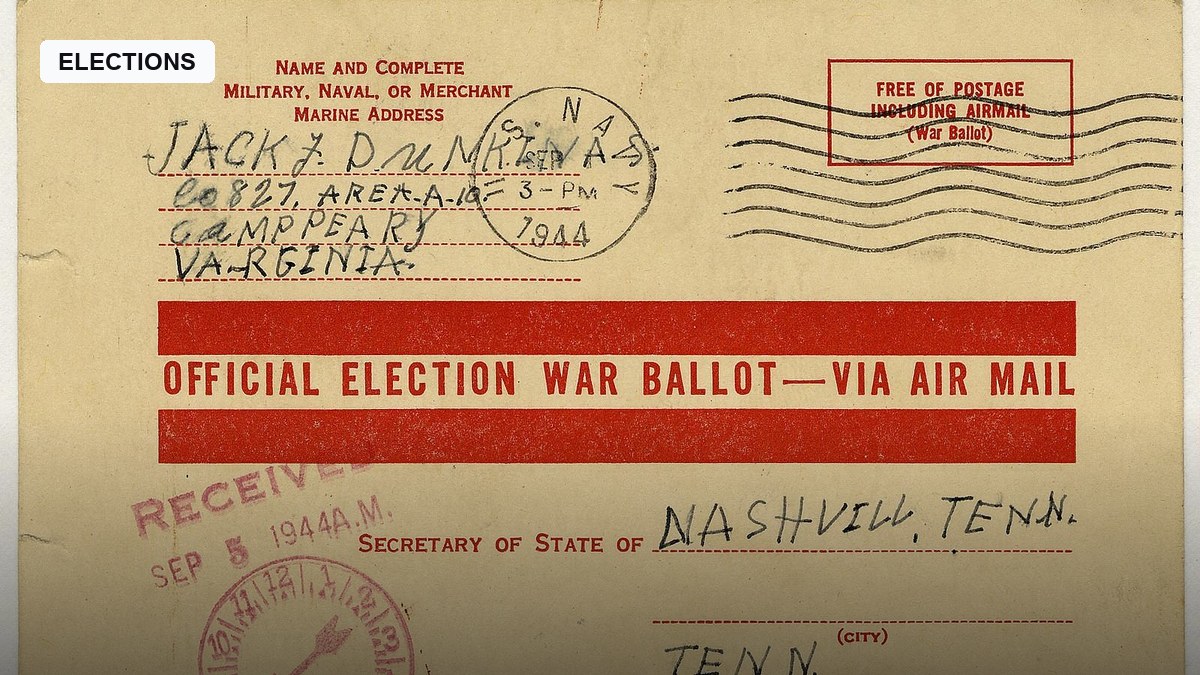
Photo: public domain via smithsonian_postal_museum