A campaign to place a proof-of-citizenship voting requirement on Michigan’s 2026 ballot has officially failed after the state Supreme Court ruled it does not have the power to force election officials to certify the measure, ending months of legal wrangling over one of the most closely watched citizen-initiative fights of the cycle.
The Group Behind the Measure
The organization Americans for Citizen Voting had sought to place a constitutional amendment before Michigan voters this November that would have required documentary proof of U.S. citizenship to register to vote, similar to measures already enacted in states like Florida, South Dakota and Utah. The group argued that its petition drive had gathered sufficient signatures, but the Michigan Board of State Canvassers determined the group fell short of the legal threshold.
What the Court Decided
The Michigan Supreme Court found that Americans for Citizen Voting did not collect enough valid signatures to qualify the measure for the ballot, and separately concluded that the court lacked authority to compel the board of canvassers to certify the amendment regardless. The ruling effectively closes the door on the measure for this election cycle, though supporters have signaled they may attempt another signature drive for a future ballot.
Part of a Broader National Trend
Michigan’s effort was one piece of a much larger nationwide push around citizenship verification for voter registration. Five states — Arizona, New Hampshire, South Dakota, Utah and Wyoming — will have a show-your-papers requirement for anyone registering or updating their registration in the 2026 midterms, while twelve states in total now have some form of proof-of-citizenship law on the books. Supporters describe these measures as commonsense safeguards against noncitizen voting, which remains exceedingly rare according to research from election administration experts, while critics argue the laws create new barriers for eligible voters who lack ready access to birth certificates or passports.
Voting Rights Groups Cheer the Outcome
Civil rights and voting rights organizations celebrated the ruling as a win for ballot access, noting that documentary-proof requirements have disproportionately affected married women who changed their names, elderly voters born without formal birth certificates, and lower-income residents who face cost or logistical barriers to obtaining underlying documents. Groups that had prepared to challenge the amendment in court if it reached the ballot say they will now redirect resources toward monitoring implementation of citizenship laws already in effect in other states.
Supporters Vow to Continue the Fight
Backers of the amendment, meanwhile, say the ruling reflects procedural technicalities rather than a rejection of the underlying policy, and have pointed to public polling suggesting broad support for citizenship verification requirements among voters across party lines. Some Michigan legislators have said they may pursue a statutory version of the requirement through the legislature rather than a constitutional amendment, though such a bill would likely face a veto from Michigan’s Democratic governor.
What It Means for November
With the ballot measure dead, Michigan’s voter registration rules will remain unchanged for the 2026 midterms, meaning the state will not join the growing list of jurisdictions requiring documentary proof of citizenship this cycle. The outcome adds Michigan to a short list of states where citizenship-verification efforts have stalled, alongside ongoing legal battles in Indiana and elsewhere. Nationally, the fight over proof-of-citizenship laws is far from settled, with litigation pending in several states and advocates on both sides expected to keep pushing new measures well beyond this year’s election.
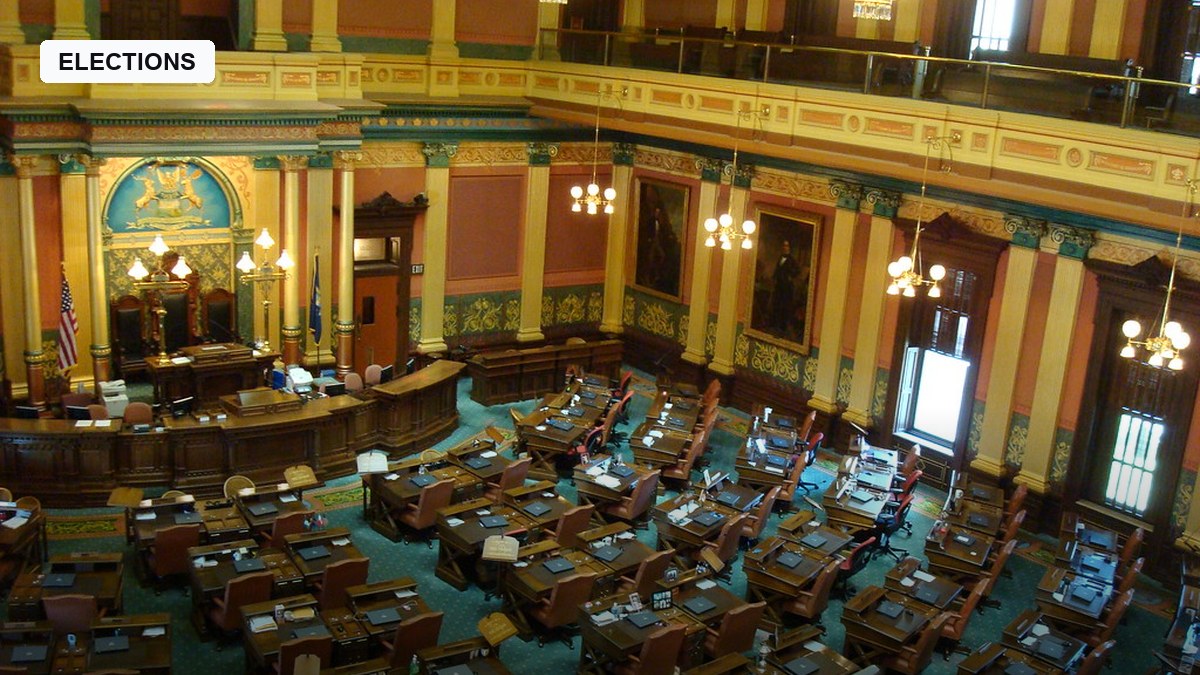
Photo: MittenStatePhototog / BY via flickr