The U.S. Supreme Court has rejected Missouri’s emergency request to reinstate a Republican-drawn congressional map, leaving the state’s older district lines in place for the 2026 midterms. The decision, handled by Justice Brett Kavanaugh in his role overseeing emergency matters from the state, followed a unanimous ruling from the Missouri Supreme Court on September 4 that found the GOP-backed map could not take effect while a statewide referendum on it proceeds.
How the Fight Started
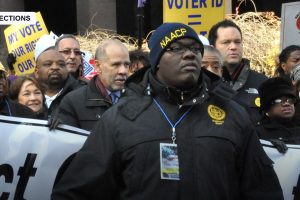
Missouri Republicans redrew the state’s congressional map earlier this year with the aim of flipping a Kansas City-area seat currently held by a Democrat, part of a broader nationwide push by state legislatures to redraw district lines mid-decade rather than waiting for the next census cycle. Opponents of the new map moved quickly, gathering more than 300,000 signatures to force a statewide referendum that would let Missouri voters decide directly whether the new lines should stand.
The State Court’s Unanimous Ruling
The Missouri Supreme Court ruled unanimously that the referendum process itself barred the new map from being used in the coming midterms, since state law generally suspends a challenged law’s implementation until voters have had a chance to weigh in at the ballot box. That left the state’s prior congressional map, drawn in an earlier redistricting cycle, as the operative lines for candidate filing and the general election.
Kavanaugh’s Emergency Denial
Missouri’s Republican-controlled state government asked the U.S. Supreme Court to intervene on an emergency basis and reinstate the new map before the midterm cycle proceeded further, arguing the state court had overstepped in blocking a duly enacted law. Kavanaugh, who handles emergency applications arising from the state, declined to grant that relief, allowing the state court’s ruling to stand and leaving the older map in effect for now.
Part of a Larger National Pattern
Missouri is one of several states where mid-decade redistricting fights have escalated into court battles this cycle, as both parties have grown more aggressive about redrawing maps outside the traditional post-census timeline in states where they hold legislative control. Election-law scholars tracking the wave of litigation say the pattern reflects shrinking competitive margins in Congress, where a single flipped seat can matter disproportionately in a closely divided House, raising the stakes of every redistricting fight far beyond what a single district’s outcome would normally justify.
What Happens to the Referendum
With the new map on hold, the signature-driven referendum is expected to proceed toward a statewide vote, giving Missouri voters direct say over whether the GOP-drawn lines should ultimately replace the current map in a future cycle. Backers of the referendum have framed the fight as a test of whether citizen-initiated ballot measures can effectively check legislative redistricting power, while state Republican officials have signaled they may continue pursuing the new map through further litigation even as the referendum process moves forward.
What Comes Next
For now, candidates filing to run in Missouri’s congressional races this cycle will do so under the older district boundaries, giving incumbents and challengers clarity as filing deadlines approach. The broader legal fight over the new map, however, is unlikely to be fully resolved before voters cast ballots in the referendum, meaning Missouri’s congressional lines could still change again in a subsequent election cycle depending on how that vote and any further appeals play out.