A group of Republican secretaries of state has taken the unusual step of asking the U.S. Supreme Court to block the Trump administration’s new mail-in ballot rule, warning that the policy could disrupt the November midterms even in states run by the president’s own party. The filing, made this week, marks a striking turn in a fight that has now reached the nation’s highest court three times in a matter of months.
What the Rule Requires
The disputed rule directs the U.S. Postal Service to refuse to deliver mail ballots to voters unless state or local election officials first submit their ballot envelope designs for advance federal approval. Officials would also be required to create accounts on a new electronic portal and upload identifying information for every mail voter, including name, address and a unique intelligent mail barcode. The Trump administration has framed the change as a security upgrade meant to reduce fraud and improve tracking of ballots in transit.
A Third Trip to the Supreme Court
The Justice Department has now asked the Supreme Court on three separate occasions to lift a Boston federal judge’s order that blocked the Postal Service from enforcing the changes. The judge sided with a coalition of states and voting rights groups who argued the rule illegally usurped states’ constitutional authority to run their own elections. Each time the administration has escalated the case, it has cited the approaching midterms as grounds for urgency, arguing that further delay would leave the new system only partially implemented.
Republican Officials Break Ranks
What sets this latest filing apart is who is asking the court to intervene. Republican secretaries of state, who share the administration’s stated goal of tightening mail-ballot security, are nonetheless warning the justices that rolling out the rule this close to Election Day would create chaos. North Carolina became the first state to begin sending mail ballots to voters less than 60 days before the midterms, and officials there and elsewhere say retrofitting ballot-processing systems to comply with a new federal portal in the final stretch risks delaying ballots to military members, overseas voters and residents with disabilities.
The Legal Battle Over Federalism
At the center of the dispute is a basic constitutional question: how much authority does the federal government have over the mechanics of state-run elections? The Constitution’s elections clause gives states primary responsibility for the times, places and manner of federal elections, subject to congressional oversight. The Boston judge’s ruling embraced that reading, finding that the Postal Service cannot unilaterally impose new certification requirements on state election officials. The Justice Department counters that the executive branch has long had authority over how the mail system handles election materials, and that the rule falls within that lane.
What Election Officials on the Ground Are Saying
State election directors, both Democratic and Republican, have said the near-term technical burden is their biggest concern. Setting up new portal accounts, uploading barcodes for every ballot design and waiting for federal sign-off takes weeks that officials say they no longer have with ballots already printed or in the process of being mailed. Voting rights organizations have echoed those concerns, arguing that any disruption disproportionately harms voters who rely on mail ballots, including elderly voters, people with disabilities and rural residents who live far from polling places.
What’s Next
The Supreme Court has not yet indicated when it will rule on the emergency application, but a decision is expected within days given the compressed election calendar. If the justices allow the rule to take effect, election officials in dozens of states will have to scramble to comply before ballots are due back. If the court keeps the block in place, the fight will likely continue into the general election, with the administration signaling it intends to keep pressing the issue through further litigation. Either way, the outcome will shape how millions of Americans cast mail ballots this November and could set a precedent for federal-state authority over elections for cycles to come.
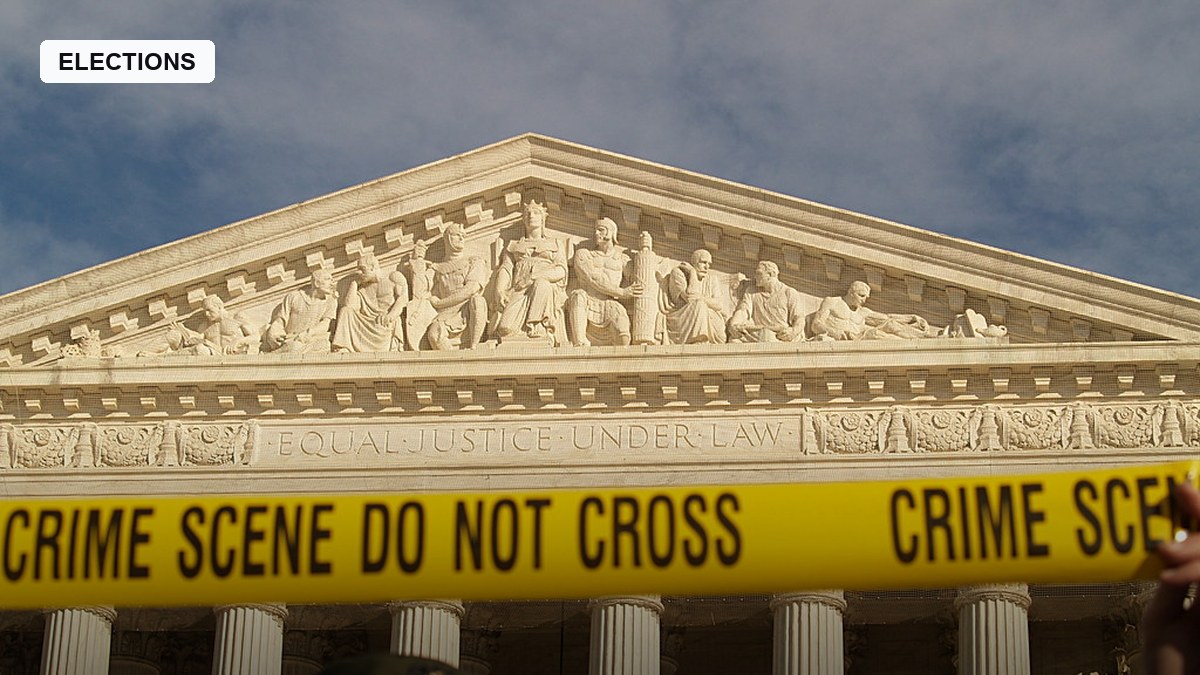
Photo: takomabibelot / BY via flickr