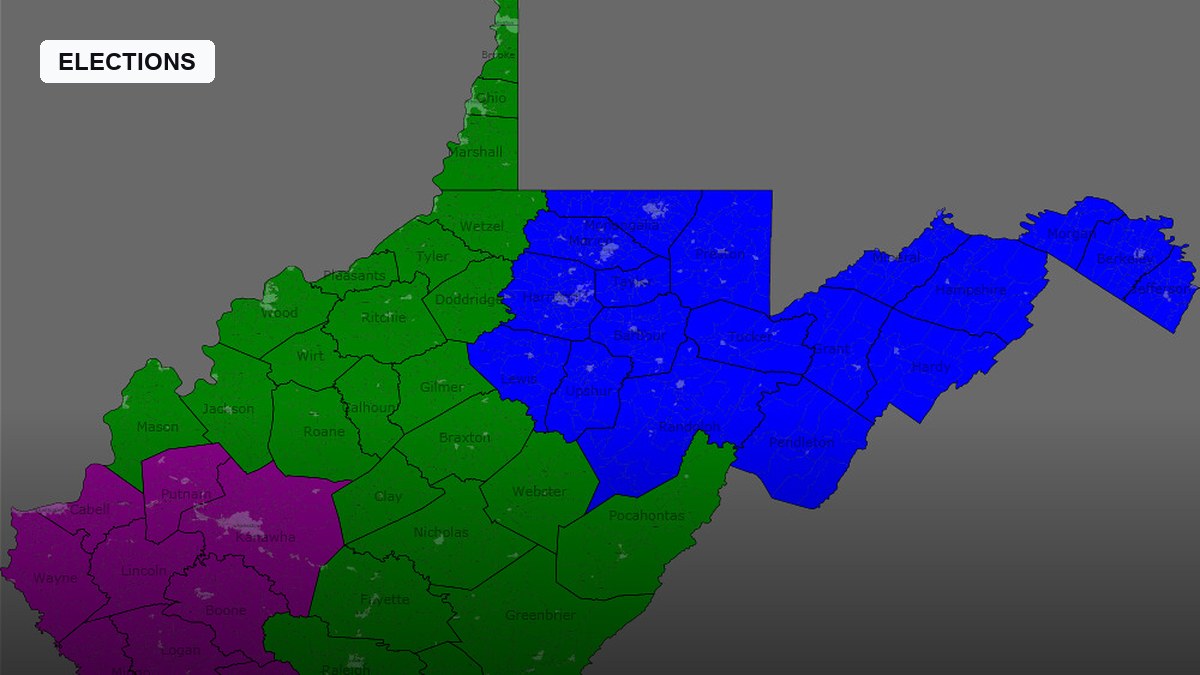
The Ohio Redistricting Commission voted unanimously on October 31, 2025, to approve a new congressional map that will govern the state’s U.S. House elections through 2031, a plan analysts say could hand Republicans as many as 13 of Ohio’s 15 seats. The map’s most consequential change targets the 9th Congressional District, currently held by longtime Democratic Rep. Marcy Kaptur of Toledo, making it significantly more Republican.
How the Deadline Forced the Commission’s Hand
Under Ohio’s redistricting rules, the state legislature had the first opportunity to pass a new congressional map with bipartisan support, but lawmakers missed their September 30, 2025, deadline to do so. That failure automatically kicked the process to the Ohio Redistricting Commission, a body made up of statewide elected officials and legislative leaders, which then had until October 31 to approve a plan of its own — a deadline it met with a unanimous, commission-approved map.
What the New Lines Do
On paper, the map favors Republicans in 12 of Ohio’s 15 districts, up from the 10 seats the GOP holds under the current lines, with analysts saying Republicans could plausibly win as many as 13 seats depending on turnout. The most dramatic shift hits the 9th District, where Kaptur — first elected in 1982 and the longest-serving woman in the history of the U.S. House — would face a district redrawn to lean roughly 11 points more Republican than her current seat.
Democrats Cry Foul
Ohio Democrats and voting rights advocates, including the ACLU of Ohio, have argued the map represents exactly the kind of partisan gerrymandering that Ohio voters tried to curb when they approved anti-gerrymandering constitutional amendments in 2015 and 2018. Critics note that a map producing a 12-3 or 13-2 partisan split in a state that votes for Republicans by a much narrower statewide margin raises serious proportionality concerns, even if it survives technical legal review.
Republicans Defend the Process
Commission Republicans and Ohio Senate leaders counter that the map followed the constitutionally mandated process to the letter — the legislature failed to reach bipartisan agreement, triggering the commission’s authority, and the commission’s unanimous vote reflects consensus among the officials empowered to act. They argue that population shifts and voting patterns, not partisan intent alone, justify the new district boundaries.
Legal and Political Stakes for Kaptur
For Kaptur, the new 9th District represents the single biggest threat to her seat in over four decades in Congress. Her office has signaled she intends to run again regardless of the tougher lines, betting on her long-standing constituent relationships to overcome the redrawn district’s more Republican lean. National Democrats view her potential defeat as a bellwether for how effective the broader 2025-2026 mid-decade redistricting wave has been at insulating the GOP’s U.S. House majority.
How Ohio’s Process Differs From Other States
Ohio’s path to this map is unusual compared with states like Texas or Missouri, where legislatures simply passed new lines on party-line votes. Ohio voters approved constitutional amendments in 2015 and 2018 specifically to make it harder for either party to unilaterally gerrymander, creating the multi-step process — legislature first, then commission — that produced this map. Good-government groups say the fact that a unanimous, bipartisan-composition commission still produced a map this lopsided raises hard questions about whether the reforms are working as intended, or whether commission members simply defer to whichever party controls a majority of the seats on the panel.
Toledo Braces for a Different Kind of Race
In Toledo, where Kaptur has represented some version of the district since the Reagan administration, local Democratic organizers are already recalibrating their turnout strategy for a race they concede will be far tougher than any she has faced in years. Republican challengers, sensing opportunity, have begun lining up for the primary, betting that the redrawn 9th District’s more conservative lean will finally end one of the longest tenures in House history.
What’s Next
Because the map was adopted by the bipartisan-composition commission rather than a straight party-line legislative vote, it faces a narrower path to being challenged in court than some other states’ maps, though voting rights groups have not ruled out litigation. The map will remain in effect through the 2030 elections unless successfully challenged, meaning its immediate test will come in November 2026, when Kaptur and other Ohio incumbents run under dramatically altered district lines for the first time.