Missouri’s congressional map fight has landed at the U.S. Supreme Court after the state’s highest court ruled that Republicans cannot force a new, more favorable district map into effect without voter approval. The emergency appeal, filed late last week by Missouri Attorney General Catherine Hanaway, seeks to overturn a unanimous state supreme court decision that could determine which map governs the November elections.
The State Court’s Ruling
On September 3, the Missouri Supreme Court ruled unanimously that a veto referendum on the state’s newly drawn congressional map is constitutional, ordering the Secretary of State to use the map enacted back in 2022 for this year’s elections instead. The redrawn map, passed by the Republican-controlled legislature, would have added an additional GOP-leaning congressional seat. Opponents gathered enough signatures to force the question to a statewide referendum, effectively freezing the new map until voters weigh in.
Republicans Fight Back
Missouri Republicans did not accept the ruling quietly. Attorney General Hanaway filed both an emergency appeal to the U.S. Supreme Court and a motion asking the state’s own high court to pause its ruling while the federal appeal proceeds. The filings argue that the timeline for implementing the older map so close to the election creates its own disruption, and that the state legislature’s authority to draw congressional lines should not be second-guessed by a ballot referendum.
Why the Fight Matters Beyond Missouri
Missouri is one of several states caught up in a broader, mid-decade redistricting battle that has unfolded through 2026. Four states — California, Missouri, North Carolina and Texas — have adopted new congressional maps this cycle, while Virginia, Florida, Maryland and Washington continue to work through their own redistricting processes. Both the Texas and California map fights have already reached the Supreme Court; the justices denied an appeal in California’s case, clearing its new map for use, while Texas received a stay allowing its contested map to proceed for November. Missouri’s case could add a third data point on how the court is willing to treat state supreme court rulings on legislative map-making.
The Political Stakes
With control of the U.S. House on a knife’s edge, a single congressional seat carries outsized weight. Missouri Republicans view the redrawn map as an opportunity to flip a Democratic-leaning district, while Democrats and voting rights advocates argue the new lines were drawn explicitly to dilute their voters’ influence. The dispute also underscores tension between direct democracy — Missouri’s long tradition of citizen-initiated referenda — and legislative control over redistricting.
A Ballot Deadline Looms
Adding urgency to the fight is a looming ballot-printing deadline. Missouri election officials need certainty about which map to use well before ballots go to print for the November election, and county clerks have said further delay risks logistical chaos. The compressed timeline is part of why Republicans are pressing the U.S. Supreme Court to act quickly rather than let the case wind through ordinary appellate channels.
What Comes Next
The Supreme Court has not yet said whether it will take up the emergency appeal, and legal observers are divided on whether the justices will intervene in what is fundamentally a question of state constitutional law. If the court declines to act, the 2022 map will govern November’s elections in Missouri, an outcome Democrats are counting as a win. If the court sides with Republicans, the new map could be reinstated at the last minute, prompting fresh legal challenges over whether ballots and district assignments can be changed so close to Election Day. Either way, Missouri has become the latest flashpoint in a national fight over who gets to draw the lines that decide House control.
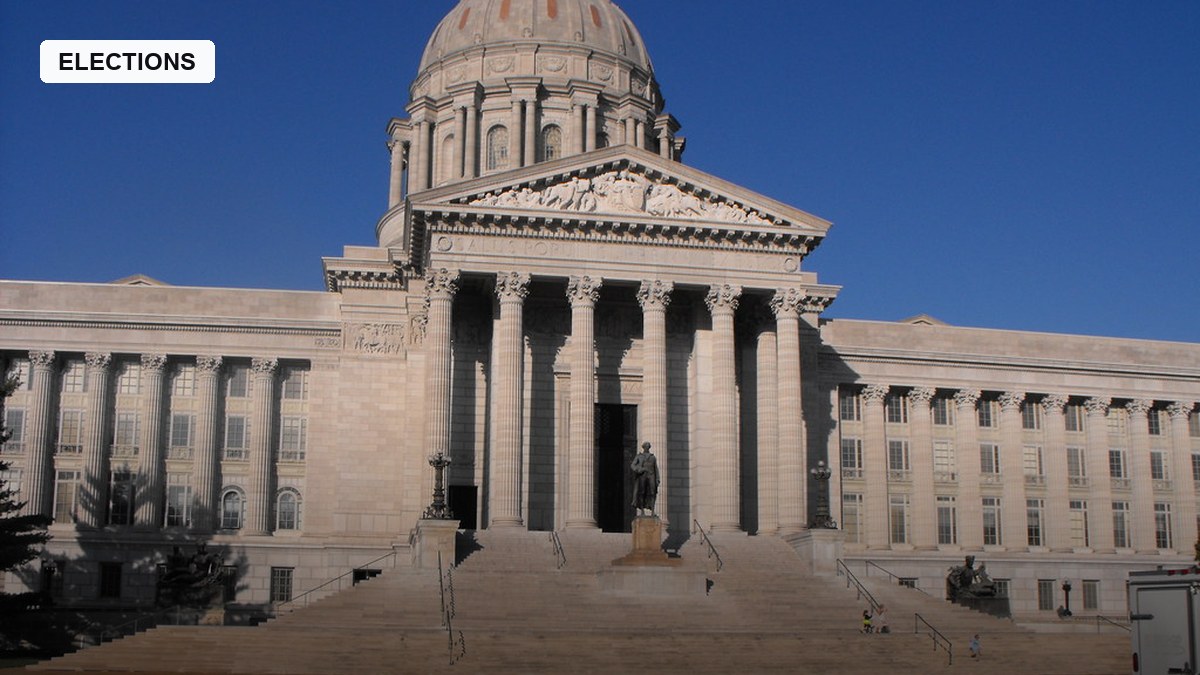
Photo: Robert Stinnett / BY via flickr