With Michigan’s ballot required to be finalized by September 4, a group pushing to require proof of citizenship and photo ID for voting has taken an extraordinary last-ditch step: asking the U.S. Supreme Court to override the state and force its measure onto the November 3 ballot. The emergency application, filed Monday with Justice Brett Kavanaugh, who handles emergency matters from the Sixth Circuit, sets up one of the tightest ballot-access sprints of the midterm cycle.
The group, Americans for Citizen Voting, says it collected more than 700,000 signatures for its proposed constitutional amendment, nearly 60 percent more than the 446,198 valid signatures required. But the Michigan Board of State Canvassers, split evenly between two Democratic and two Republican appointees, deadlocked 2-2 on August 24 over whether the petition met technical requirements, leaving the measure off the certified ballot.
A signature dispute over late affidavits
At the center of the fight is a narrow but consequential technical question. Board members disagreed over affidavits submitted to validate nine signatures that canvassers said had been filed after the deadline, according to reporting from Michigan Public. Because the board split evenly rather than voting to approve, state law treats the petition as rejected, even though the campaign says its signature total safely clears the numeric threshold on its face.
Why the campaign went straight to the nation’s highest court
Americans for Citizen Voting first asked the Michigan Supreme Court to intervene and overrule the deadlocked board, but the group says it does not believe the state’s justices can act before county clerks must lock in ballot language and begin printing. That forced the campaign to seek emergency relief directly from the U.S. Supreme Court, arguing the deadlock violated the due-process rights of the hundreds of thousands of Michiganders who signed the petition expecting their voices to be counted, according to the Detroit News and Election Law Blog.
The state’s response
Michigan election officials, represented by the attorney general’s office, filed a response this week defending the canvassers’ process and arguing the U.S. Supreme Court has no proper basis to intervene in a state ballot-access dispute governed by Michigan election law, according to Michigan Advance. State attorneys contend the affidavit deadline was clearly communicated in advance and applied evenhandedly, and that federal courts should not second-guess a state board’s procedural determination on state-law grounds just days before printing deadlines.
What the measure would actually do
If it ultimately reached voters and passed, the amendment would require Michigan residents to provide documentary proof of U.S. citizenship when registering to vote and to present a government-issued photo ID before casting a ballot in future elections, eliminating current alternatives such as signed affidavits for voters without ID. Supporters argue the change is a common-sense safeguard against noncitizen voting, which multiple state audits have found to be exceedingly rare in Michigan. Voting rights groups, including the ACLU of Michigan, counter that documentary proof-of-citizenship requirements risk disenfranchising eligible citizens, particularly married women who have changed their names, older voters born without ready access to birth certificates, and lower-income residents who lack the underlying paperwork.
Part of a broader national wave
Michigan’s fight lands amid a surge of similar proof-of-citizenship and photo ID measures moving through state legislatures, ballot campaigns, and courts this cycle, including in New Hampshire, Arizona, and now potentially California and Nevada, where voters will separately weigh ID-related ballot questions this November. Election-law observers say the wave reflects a coordinated national strategy by advocacy groups to convert citizenship and ID requirements into constitutional amendments that are harder for future legislatures or courts to unwind than ordinary statutes.
What happens next
The Supreme Court has set a tight briefing schedule given the state’s September 4 ballot-certification deadline, and a ruling could come within days, either allowing the measure onto the ballot at the last moment or letting the board’s rejection stand for 2026. Michigan election clerks say they are watching closely because any late addition would require them to reprint ballot language and update voter-facing systems on an extremely compressed timeline before early voting begins. Regardless of the outcome, the campaign has signaled it intends to pursue the same amendment again in a future election cycle if this year’s bid fails, meaning the underlying fight over citizenship and ID requirements is unlikely to end with a single Supreme Court order.
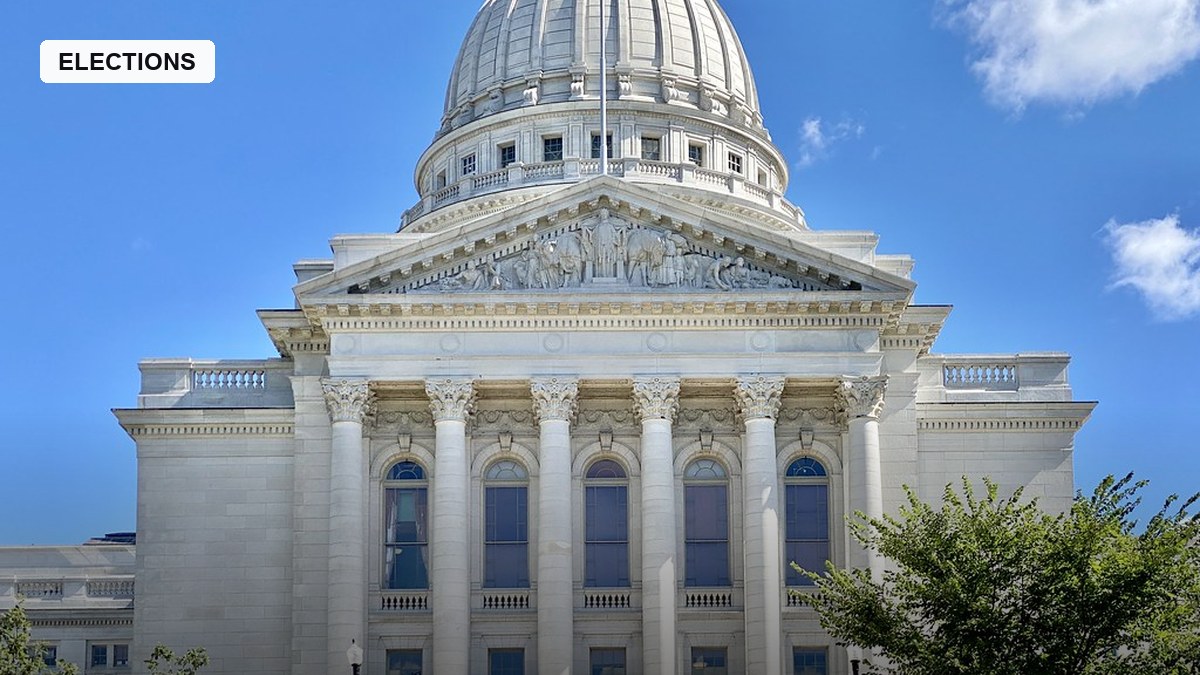
Photo: w_lemay / BY-SA via flickr