A Maryland court has blocked a proposed constitutional amendment that Democratic legislators hoped to place before voters this November, dealing at least a temporary setback to Gov. Wes Moore’s push to secure an additional congressional seat before the midterms. The judge paused the underlying order pending an expected appeal to the state’s highest court, leaving the measure’s fate unresolved as the ballot-printing deadline approaches.
How the fight started
The dispute traces back to 2022, when a Maryland court struck down an earlier Democratic congressional map as an unconstitutional partisan gerrymander. Rather than accept the current lines, Moore called a special legislative session in August aimed at referring a constitutional amendment to voters that backers said would let the legislature revisit district boundaries outside the normal once-a-decade cycle.
What the court decided
The presiding judge found that the proposed ballot language and process for referring the amendment likely violated procedural requirements in the state constitution governing how and when redistricting amendments can be placed before voters. Because the ruling was paused pending appeal, lawmakers and the state elections board are now working under uncertainty about whether the measure can still appear on the November ballot at all.
Legal filings in the case center heavily on a provision of Maryland’s constitution that governs how and when the General Assembly may refer amendments to voters, with challengers arguing the special-session process was itself procedurally rushed in ways that violated notice and public-comment requirements normally built into the amendment process. Moore’s office and legislative sponsors have countered that the constitution grants the legislature broad discretion over the timing of special sessions and ballot referrals, and that no specific provision was violated even if the process moved unusually quickly compared to past amendment referrals.
Competing views
Democratic sponsors argue the amendment is a defensive move necessitated by aggressive Republican-led redistricting in Texas, Missouri and North Carolina, and that Maryland voters deserve a chance to weigh in directly rather than leave the map frozen by a single 2022 court decision. Republican legislators and government-watchdog groups counter that using a rushed special session and ballot referendum to unwind an unfavorable court ruling sets a dangerous precedent, effectively letting whichever party controls Annapolis rewrite the rules mid-decade whenever a map goes against it.
The national backdrop
Maryland’s fight is one front in a broader, unusually large mid-decade redistricting battle that began in 2025 and now touches Texas, Missouri, Indiana, North Carolina and several other states, with both parties racing to lock in favorable maps before the 2026 midterms even as court challenges multiply nationwide.
What’s next
The Maryland Court of Appeals is expected to expedite review given the looming ballot-printing deadlines set by county election administrators. If the amendment is knocked off the ballot entirely, Democrats would likely have to wait until the next redistricting cycle to revisit the map, while an affirmed ruling in their favor could trigger swift countersuits from Republican state legislators.
Maryland election administrators have warned that the uncertainty itself carries a cost: county boards of elections must finalize ballot layouts and order printed materials weeks before Election Day, and a late-breaking appellate ruling either way could force a scramble to reprint ballots or issue supplemental guidance to voters. Some clerks have privately floated the possibility of a contingency ballot design that could accommodate either outcome, though state election officials have not formally endorsed that approach.
Outside groups have also weighed in. Common Cause Maryland and several academic redistricting experts have filed amicus briefs urging the appellate court to resolve the procedural questions quickly and clearly, arguing that repeated ad hoc mid-decade redistricting fights, regardless of which party initiates them, erode public confidence in the durability of any map and invite an escalating cycle of legal challenges after every unfavorable ruling. Republican-aligned election law groups have filed competing briefs arguing the court should use the case to set a firm precedent limiting when and how sitting legislatures may seek to revisit maps outside the decennial cycle, regardless of which party controls the chamber at the time.
Governor Moore has publicly defended the special session as a responsible response to a fast-moving national redistricting environment rather than an improper attempt to reverse an inconvenient court ruling, arguing that Maryland voters should have the final say on whether the legislature gets a chance to revisit the map, a framing his office has repeated in public statements even as the litigation proceeds on a separate, faster track through the appellate courts.
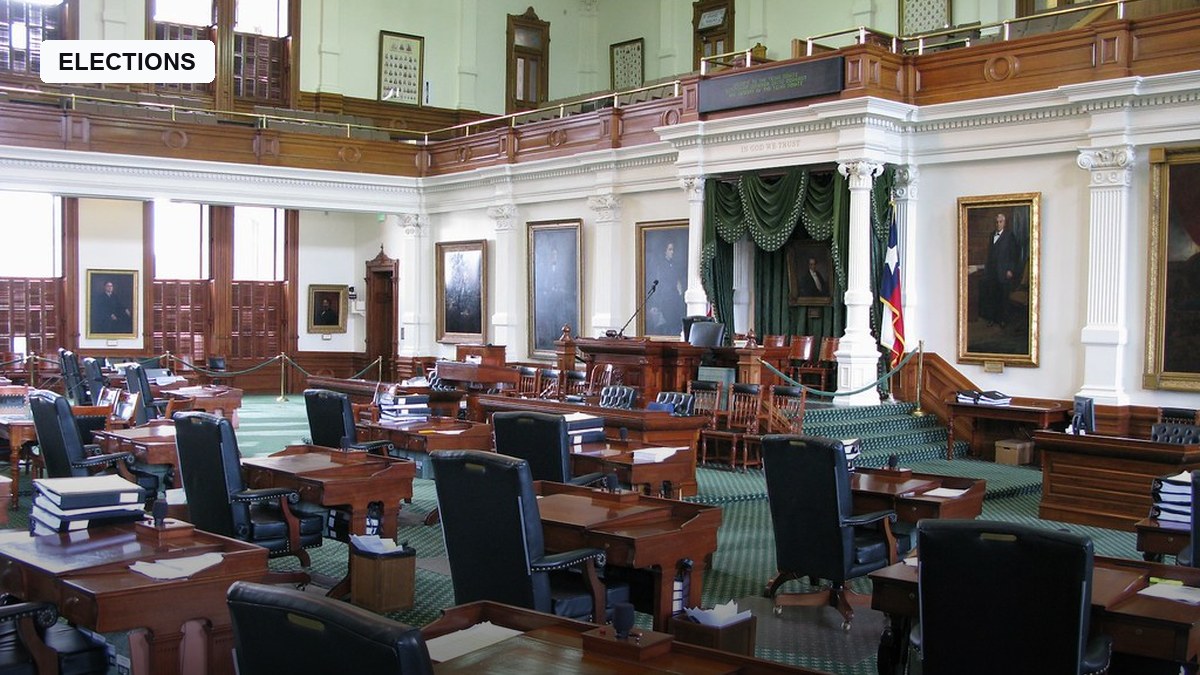
Photo: TimWilson / BY via flickr