A fight over tax-disclosure paperwork has escalated into a full-blown federal ballot access case in California, where Green Party gubernatorial candidate Rudolph “Butch” Ware is pressing a civil rights lawsuit against Secretary of State Shirley Weber after she removed him from the ballot ahead of the state’s primary earlier this year. Ware, a UC Santa Barbara history professor, argues the disqualification violated his First and Fourteenth Amendment rights, while Weber’s office maintains his paperwork simply failed to meet the state’s legal requirements.
A Tax-Disclosure Law With Bite
California requires candidates for governor to submit both redacted and unredacted copies of five years of personal tax returns to the Secretary of State’s office before qualifying for the ballot, a requirement enacted after a legal fight over whether the state could compel presidential candidates to release similar records. On March 16, Weber’s office formally removed Ware from the June 2 primary ballot, citing deficiencies in the documents he filed ahead of the March 6 deadline.
Dueling Accounts of What Went Wrong
Ware says his campaign submitted the required returns on time but received a confusing series of follow-up demands from Weber’s office asking him to correct alleged problems, including questions about redactions and formatting, that he says were never clearly explained before the deadline passed. Weber’s office disputes that characterization, saying Ware’s filings contained substantive inconsistencies: a missing business name, an incomplete date field, and other missing values that made the returns noncompliant regardless of timing.
The State Court Setback
Ware first challenged his removal in California state court, seeking an emergency order to restore his name to the primary ballot. A Sacramento judge rejected that bid in late March, concluding that Ware had not filed correct and complete tax returns by the statutory deadline and that the Secretary of State had acted within her authority in disqualifying him. Ware said at the time he would both appeal that ruling and pursue a separate federal lawsuit, which he filed in the U.S. District Court for the Eastern District of California in April.
The Federal Constitutional Claim
Ware’s federal complaint frames the dispute not as a paperwork technicality but as a constitutional violation, arguing that the tax-disclosure regime as applied to him functioned as an unconstitutional burden on ballot access and freedom of political association. His campaign and Green Party allies have characterized the case as a test of whether minor-party and independent candidates are held to a stricter, less forgiving standard of compliance than major-party candidates typically face from the same office.
What Election Law Observers Are Watching
Ballot access advocates note that California’s tax-disclosure law itself has already survived one major legal challenge, but that Ware’s case raises a narrower question: whether the state’s implementation and enforcement process, including the back-and-forth communications about deficiencies, gave him fair and adequate notice before his disqualification became final. That procedural due-process argument could resonate with courts even if the underlying tax-disclosure requirement itself is not disturbed.
What’s Next
With the June primary long settled and Ware absent from those ballots, his federal case is now aimed less at reversing this year’s result and more at establishing precedent for future elections and potentially securing damages or a court order clarifying the notice process the Secretary of State must follow. A ruling in Ware’s favor could force California to overhaul how it communicates disclosure deficiencies to candidates before deadlines lapse, while a win for Weber’s office would reinforce the state’s authority to enforce strict compliance with candidate financial disclosure laws heading into future gubernatorial cycles.
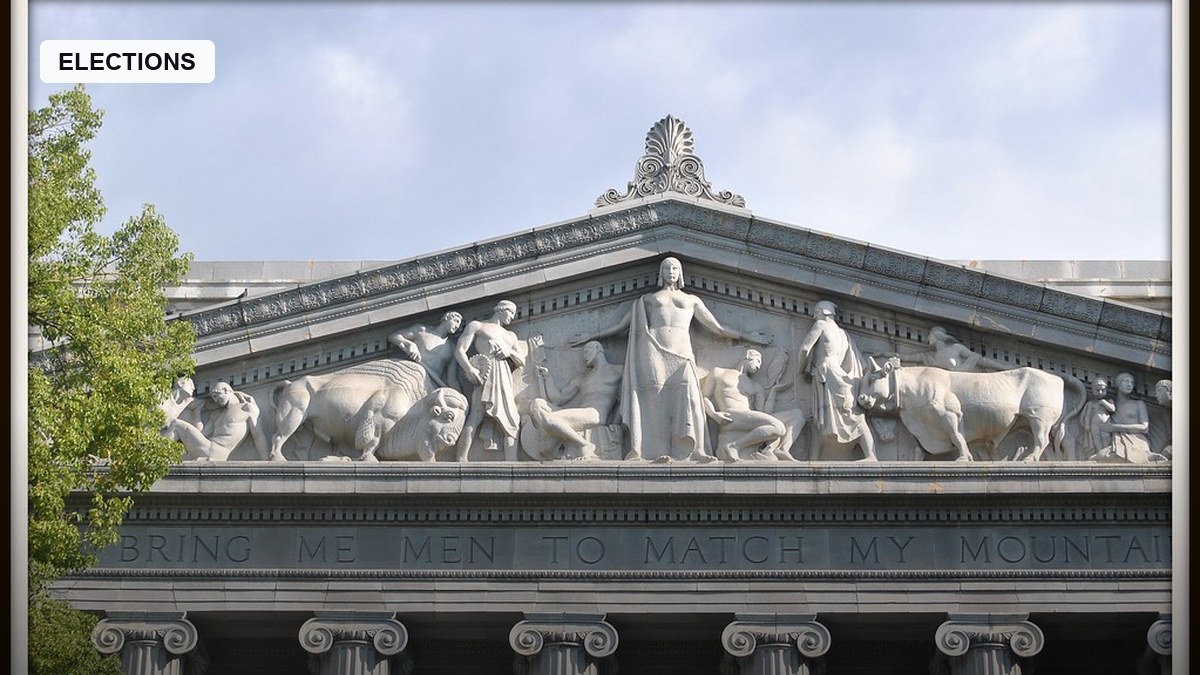
Photo: Loco Steve / BY via flickr