The Federal Election Commission has now gone more than 200 days without the quorum it needs to enforce federal campaign finance law, leaving the agency unable to investigate complaints, levy fines, issue formal legal guidance, or even hold public meetings as the 2026 midterm elections approach. The shutdown began after a Republican commissioner resigned and President Trump, in an unprecedented move in February, fired a Democratic appointee, dropping the six-member bipartisan commission below the four votes it needs to act on enforcement matters, according to reporting from NOTUS and analysis from the Brennan Center for Justice.
How the Commission Lost Its Quorum
The FEC is structured by law as an evenly split bipartisan body, with no more than three commissioners from any one party, specifically to prevent the agency from being weaponized against either side of the political aisle. That balance requires a minimum of four sitting commissioners to conduct core business such as opening investigations, approving audits, or issuing advisory opinions. The departure of a Republican commissioner combined with the president’s removal of a Democratic commissioner left just two members in place, well below the threshold needed to function, according to the Congressional Research Service’s summary of FEC quorum rules.
What the Agency Can No Longer Do
Without quorum, the FEC retains only its most basic administrative functions, such as publishing campaign finance reports filed by candidates and committees. It cannot investigate suspected violations of contribution limits or coordination rules, cannot formalize the results of pending audits, cannot issue fines against political committees found to have broken the law, cannot write new rules, and cannot issue formal responses to novel legal questions raised by campaigns and outside groups. The Brennan Center has warned that the agency’s backlog of unresolved matters is likely to swell into the hundreds of cases the longer the impasse continues.
Trump’s Nominees Await Senate Action
In an apparent step toward resolving the standoff, President Trump nominated two Republican attorneys to fill vacant seats: Andrew Woodson, a lawyer at Wiley Rein who previously worked for former FEC Chair Lee Goodman, and Ashley Stow, who previously worked with former FEC Commissioner Trey Trainor. But as of early September, the Republican-controlled Senate had not scheduled a confirmation hearing for either nominee, and no Democratic nominees have been put forward to fill the commission’s other empty seats, according to NOTUS. Because the FEC requires bipartisan balance, filling only the Republican vacancies would not by itself restore the commission’s ability to function.
Competing Views on the Standoff
Campaign finance watchdogs, including the Brennan Center, have characterized the extended vacancy as an effective gutting of federal oversight during a critical election cycle, arguing that candidates and outside spending groups now operate with reduced fear of enforcement action. Some Republican officials and allies of the administration, by contrast, have long argued that the FEC’s enforcement powers were used unevenly in past cycles and that a leaner commission reduces regulatory overreach into legitimate campaign activity. That underlying disagreement over the FEC’s proper role has repeatedly stalled quorum-restoring nominations under both Democratic and Republican administrations in recent years, according to the Congressional Research Service.
Scale of the Money Flowing Unchecked
The stakes of the enforcement gap are significant given the volume of money moving through the 2025-2026 election cycle. According to FEC’s own statistical summaries, congressional candidates had collected $2.1 billion and spent $1.3 billion, political parties had raised $1.1 billion and spent $824.8 million, and political action committees had raised $6.3 billion and spent $4.8 billion through March 31, 2026. Individual contributions to federal candidates remain capped at $3,500 per election under current law, but with no functioning enforcement body, complaints alleging violations of that cap or other campaign finance rules are simply piling up unresolved.
What’s Next
NOTUS reporting indicates the FEC likely will not regain its four-commissioner quorum until at least spring 2027, meaning the agency’s ability to police fundraising and spending abuses will likely remain limited through the entirety of the 2026 midterm cycle. Should violations occur during this window, they may go without formal investigation until well after ballots are counted, raising questions among election law experts about whether after-the-fact enforcement can still deter misconduct or merely document it. Advocacy groups say they will continue pressing the Senate to hold confirmation hearings for both parties’ nominees, while campaigns and PACs are left operating in a legal environment with fewer immediate consequences for violations.
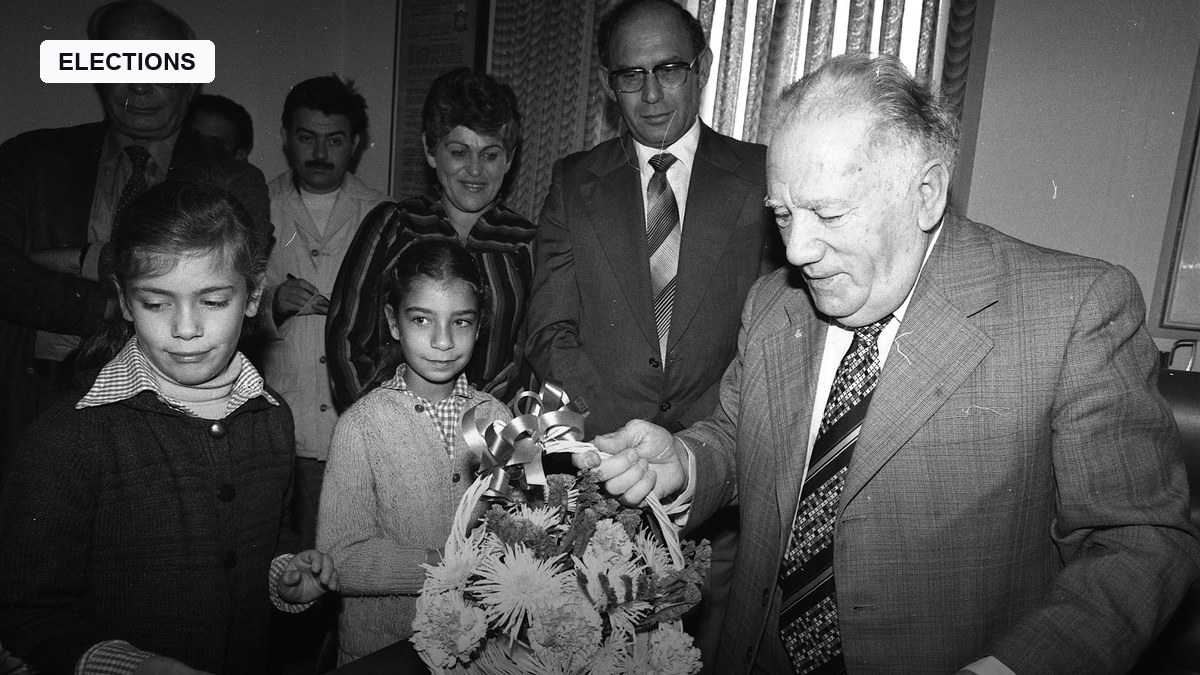
Photo: IPPA photographer / BY via wikimedia