A U.S. District Court judge has dismissed the Trump administration’s lawsuit against Colorado, ruling that the Department of Justice failed to justify its demand for the state’s complete, unredacted voter registration file. The decision adds Colorado to a growing list of states where courts have rejected DOJ’s legal theory, even as the department presses ahead with nearly identical suits against dozens of other states heading into the November midterms.
How the fight began
The Justice Department’s Civil Rights Division has argued since early 2026 that it needs sensitive voter data, including partial Social Security numbers, driver’s license numbers and dates of birth, to verify that states are complying with the Help America Vote Act and the National Voter Registration Act. Colorado offered to share statutorily required information but refused to hand over the full unredacted file, citing state privacy law and the absence of any specific complaint that would justify the request.
The case is part of a nationwide push that began quietly last winter and has since expanded to cover 29 states and the District of Columbia, according to tracking by the University of Wisconsin Law School’s State Democracy Research Initiative.
Colorado’s fight has taken on outsized significance partly because of the state’s history as an early adopter of universal mail voting and automatic registration, reforms that have made it a frequent target of skepticism from conservative election-integrity activists even though independent audits of Colorado’s system have repeatedly found error and fraud rates consistent with, or lower than, the national average. That backdrop shaped how both sides framed the case: DOJ attorneys argued Colorado’s expansive registration system made independent verification of the rolls especially important, while the state countered that its existing audit and post-election risk-limiting procedures already provide exactly the kind of verification DOJ claimed to be seeking.
What the ruling found
In dismissing the case, the judge found that DOJ’s complaint did not identify any concrete violation of federal voting law that would necessitate access to the sensitive fields Colorado withheld. The ruling echoes earlier decisions against the department in California, Michigan and Oregon, where courts likewise found DOJ’s justification too generic to compel disclosure of protected voter information.
Colorado Secretary of State Jena Griswold’s office said the ruling vindicates the state’s position that federal officials cannot simply demand personal data on millions of registered voters without a specific, evidence-based reason tied to an actual compliance problem.
The numbers behind the campaign
To date, no court at either the district or appellate level has ruled in the Justice Department’s favor in any of the roughly 31 lawsuits it has filed over voter rolls since the start of the year, according to CBS News’ tracking of the litigation. Despite that record, Attorney General Pam Bondi has continued authorizing new filings, arguing the Civil Rights Act of 1960 gives her office broad authority to inspect state registration records.
Two sides of the argument
DOJ officials maintain the lawsuits are a routine compliance exercise meant to catch clerical errors, duplicate registrations and deceased or ineligible voters still on the rolls, problems that, left unaddressed, they say undermine public confidence in election results. Voting rights advocates and several Democratic secretaries of state counter that the campaign is a pretext to build a national database of sensitive voter information that could be used to intimidate voters or justify future purges, especially given that courts have found no legal basis for the requests in every case decided so far.
What comes next
With the midterms roughly ten weeks away, DOJ has signaled it will keep filing suits in states that resist, and legal observers expect at least one of the pending cases to reach a federal appeals court before November. Colorado’s win does not resolve the broader legal question nationally, but it strengthens the hand of other states weighing whether to fight similar demands rather than negotiate a partial data-sharing agreement.
Election law scholars say the pattern of repeated district-court losses, without a single appellate ruling yet on the books, leaves the underlying legal question in an unusual state of limbo: DOJ can keep filing new suits in state after state without any binding precedent forcing it to stop, while states can keep winning dismissals without those wins definitively closing the door on future litigation elsewhere. That dynamic, several voting rights attorneys note, effectively shifts the practical burden onto individual states, each of which must independently spend time and money defending against a claim that has yet to succeed anywhere, even as the aggregate signal from the courts grows steadily less favorable to the government’s position.
County clerks in Colorado, meanwhile, say the litigation itself has already had a measurable effect regardless of the outcome, diverting staff time toward responding to public records requests, media inquiries and legislative questions about the state’s data-sharing practices during a period when those same offices are also preparing ballots, training poll workers and testing equipment for November. Griswold’s office has said it will continue to comply with legitimate, narrowly tailored requests for the categories of data federal law does clearly require, while resisting what it calls open-ended demands for the state’s entire voter file.
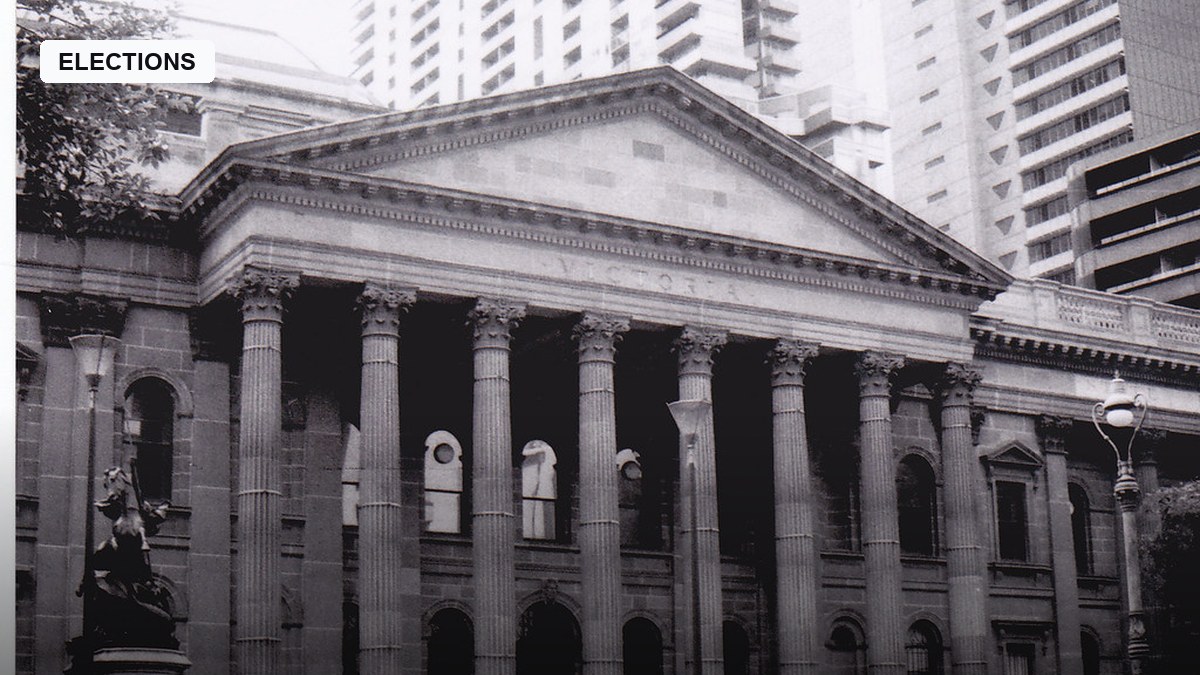
Photo: Matthew Paul Argall / BY via flickr