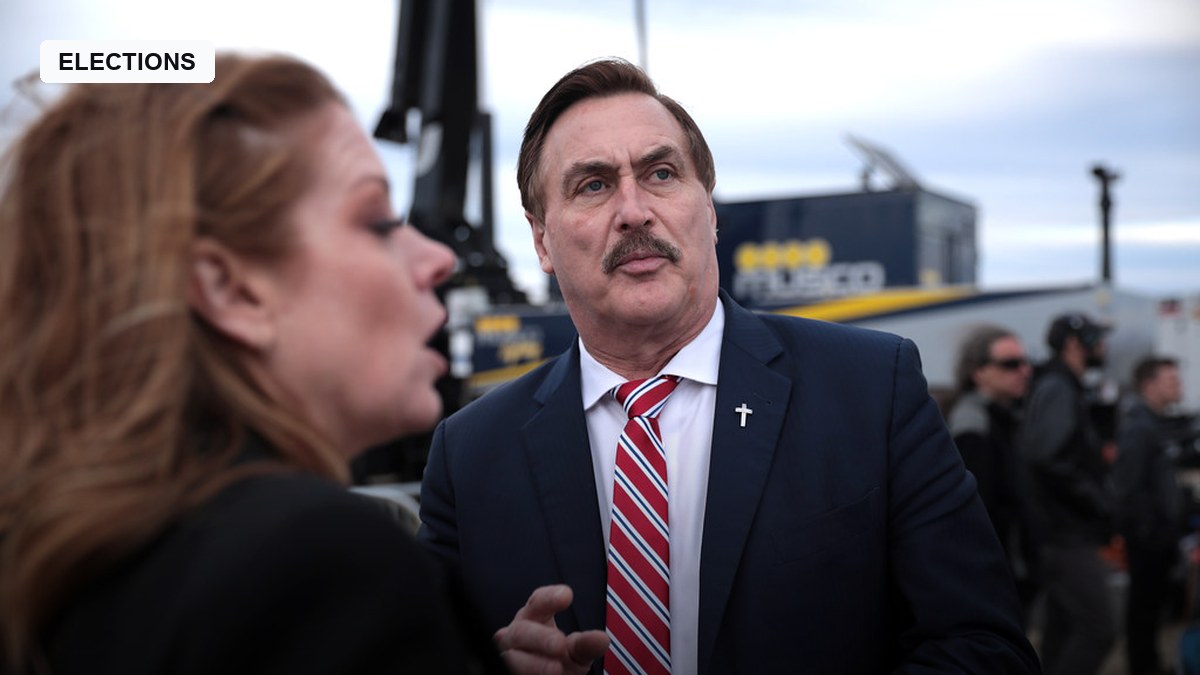
A recount fight in Minnesota’s Republican gubernatorial primary has spilled into open legal warfare, with MyPillow founder Mike Lindell refusing to pay the $825,000 fee the state says is required for the hand recount he requested. Lindell lost the Aug. 11 primary to Minnesota House Speaker Lisa Demuth by roughly 45,000 votes, but instead of accepting the result, he has taken his objections to the Minnesota Supreme Court, arguing the state’s recount plan is unlawful.
How the Dispute Started
The Minnesota State Canvassing Board approved a recount plan on Aug. 18 that would conduct a full hand recount and audit of the primary. Lindell’s campaign initially said it would pay the required cost but then balked, with Lindell telling reporters, “It’s not just about us two. I’m not paying for what they’re calling a recount.” His legal team contends the Secretary of State’s office structured the recount in a way that only tabulates votes for two candidates, which they say violates Minnesota election law.
The State’s Position
The Secretary of State’s office has pushed back firmly, saying its recount procedures are consistent with plans used in Minnesota for two decades. A spokesperson said the plan “follows state law and administrative rules on recount procedures,” rejecting the claim that the process was tailored to disadvantage Lindell. Election officials note that candidates who request recounts and lose them are typically required to cover the cost when the margin exceeds the threshold for an automatic, state-funded recount.
Missed Deadlines and Multiple Filings
Lindell missed the midnight Monday deadline to formally request and pay for the recount through the standard process, which is what prompted him to instead petition the Minnesota Supreme Court directly. His campaign and running mate have since filed election-contest litigation in district court in addition to the state Supreme Court petition, effectively pursuing the same grievance on multiple legal tracks simultaneously. Lindell has asked the state to waive the payment deadline until a court rules on the underlying dispute over the recount’s scope.
A Familiar Pattern
Lindell has spent years amplifying unsubstantiated claims about voting machines and election administration, including a $1.3 billion defamation suit brought against him by Dominion Voting Systems (now operating as Liberty Vote) over his promotion of 2020 election fraud theories, which was settled confidentially in June 2026. Critics say his handling of the Minnesota primary loss follows the same script: contesting a clear numerical result through procedural objections rather than evidence of miscounted votes. Demuth’s campaign has largely stayed above the fray publicly, with allies noting the nearly 45,000-vote margin is far too large to be plausibly altered by any recount irregularity.
What’s Next
The Minnesota Supreme Court has not yet ruled on Lindell’s petition, and the district court election contest remains pending. Election law observers say the case could set precedent for how narrowly or broadly candidates can dictate the terms of recounts they request, and whether courts will entertain last-minute procedural challenges filed after statutory deadlines. With Minnesota’s general election field for governor still being finalized, the unresolved recount fight threatens to delay the state party’s ability to consolidate behind Demuth ahead of November, and it adds to a growing list of primary losses that have not been accepted gracefully by defeated candidates in the run-up to the 2026 midterms.