A proposed Michigan constitutional amendment that would tighten voter identification and registration requirements has narrowly missed qualifying for the November ballot, after the state Board of State Canvassers declined to certify the measure. The group behind the initiative, Americans for Citizens Voting-Michigan, is now asking the Michigan Supreme Court to overturn the board’s decision.
Why the board rejected it
The Board of State Canvassers found that the petition fell short of the required number of valid signatures after invalidating a batch tied to alleged irregularities. The measure’s backers dispute that finding, arguing the board improperly rejected nine notarized affidavits from voters who said under oath that they had, in fact, signed the petition, a discrepancy they say should have been enough to push the measure over the certification threshold.
What the amendment would require
The proposed constitutional amendment would require voters to present photo identification at the polls and tighten certain registration verification steps, changes proponents say would align Michigan more closely with states that already have stricter ID laws. Michigan currently allows voters without ID to cast a ballot after signing an affidavit affirming their identity.
Michigan’s current affidavit-based system was itself the product of a 2022 ballot measure that expanded voting access more broadly, including nine days of early in-person voting and same-day registration, changes the current voter ID petition’s backers say have made the state’s rolls harder to verify even as election administrators counter that the affidavit process, combined with existing signature-matching, has functioned without evidence of significant abuse in the elections held since 2022.
The case for the courts to intervene
Attorneys for the measure’s backers argue that even a small number of wrongly invalidated signatures matters enormously in a certification process with such a thin margin, and that notarized affidavits from the voters themselves should carry more weight than the board’s internal signature-matching process. They are asking the state’s highest court to order the board to recertify the measure in time for ballots to be printed.
Opposing view
Voting rights groups and some election law experts counter that certification boards routinely reject signatures for documented mismatches or incomplete information, and that allowing after-the-fact affidavits to override a board’s technical review could undermine the reliability of the entire signature-verification process for future ballot initiatives, not just this one.
Why the timing matters
Michigan’s ballot-printing deadlines leave only a narrow window for the state Supreme Court to rule before county clerks must finalize November ballots, meaning the case is likely to be expedited regardless of which way the justices eventually rule.
What’s next
If the court sides with the measure’s backers, Michigan voters would decide on a significant change to the state’s voting requirements this November alongside a competitive slate of federal and state races. If the rejection stands, supporters have said they intend to relaunch the signature drive for the 2028 ballot instead.
The dispute has also drawn attention to the broader mechanics of Michigan’s signature-verification process, which relies on county-level matching of petition signatures against voter registration records before the state board conducts its own review. Election law experts note that razor-thin certification margins like this one are relatively rare but not unprecedented, and that they tend to generate exactly the kind of intense scrutiny of verification methodology now playing out in the Michigan Supreme Court filings, since a handful of contested signatures can determine whether millions of voters get a say on a major policy question.
National groups on both sides of the voter ID debate have entered the fray with amicus filings, reflecting the measure’s significance beyond Michigan’s borders. Voter ID advocacy organizations argue a favorable ruling would provide a template for similar signature-certification disputes in other states, while allied civil rights groups counter that lowering the bar for after-the-fact affidavits to override board findings could make ballot certification less predictable and more susceptible to litigation in future cycles, regardless of which side benefits in any individual case.
Michigan’s secretary of state, Jocelyn Benson, has stayed publicly neutral on the underlying merits of the voter ID proposal itself while defending her office’s certification process as consistent with past practice, a position that has drawn criticism from both sides of the dispute for declining to weigh in more forcefully on what backers and opponents alike describe as an unusually consequential certification fight.
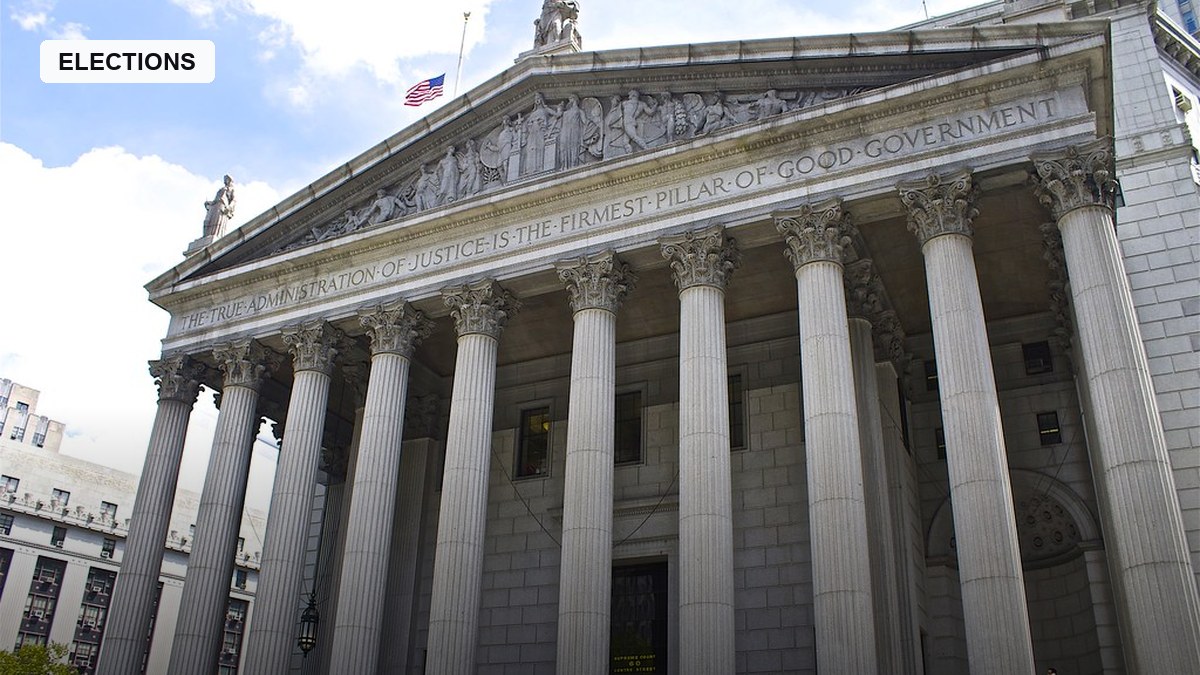
Photo: TristanReville / BY-ND via flickr