
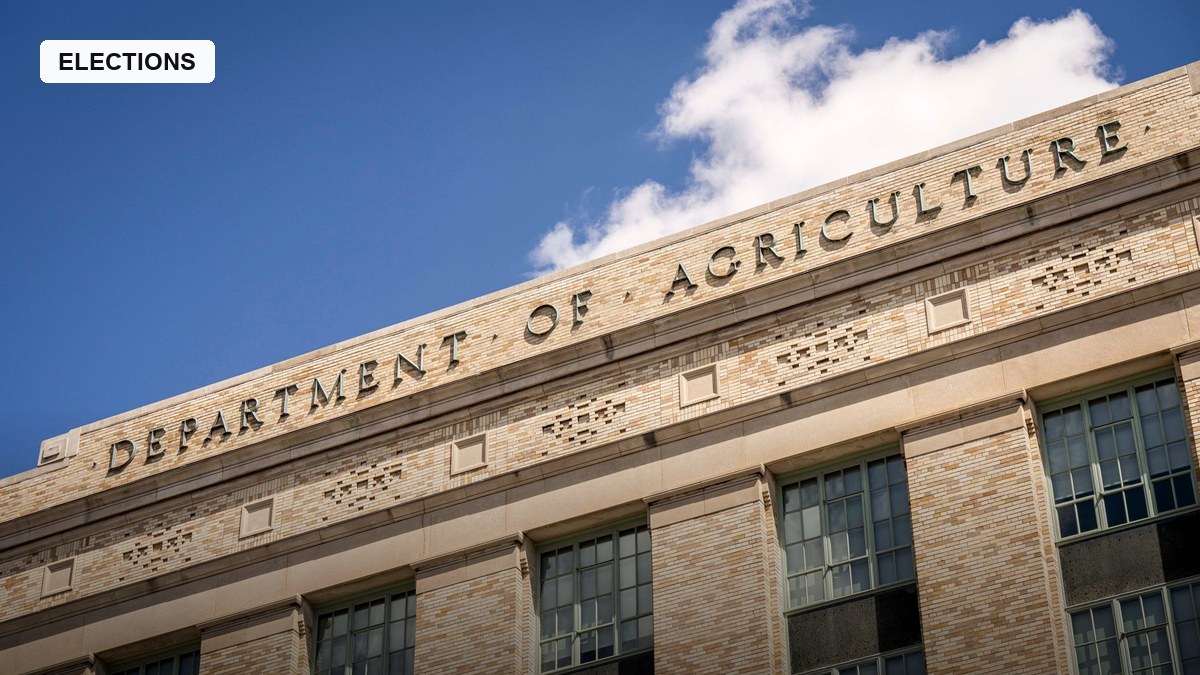
With early voting underway nationwide, the Trump Justice Department has escalated a legal campaign that critics call unprecedented in scope: lawsuits demanding voter and election data from roughly 30 states, paired with President Trump’s promise to deploy what he calls an ‘Election Integrity Army’ to monitor polling sites in every state. An Axios report published October 25 described the combined push as the DOJ ‘barreling into the midterms with lawsuits, raids and arrests,’ a characterization the department disputes but has not substantively rebutted on the record.
What the Lawsuits Actually Demand
The core legal theory behind the DOJ’s filings is that states must share detailed voter-roll and ballot data with federal investigators to allow verification of citizenship and residency requirements. Courts have not been uniformly receptive: federal judges denied the department’s requests in cases against California, Oregon and Michigan earlier this year, rulings the DOJ is now appealing. The most aggressive action to date targets California directly, where prosecutors sued to block certification of more than 20,000 ballots tied to voters the department suspects are noncitizens, demanding county election officials segregate the flagged ballots within 48 hours and warning of potential criminal liability for officials who refuse.
The ‘Election Integrity Army’ Announcement
Trump first floated the volunteer-monitoring initiative in a primetime address earlier this year, telling viewers the country’s voting systems were ‘vulnerable’ and pledging a repeat of a similar 2024 effort, only ‘much bigger and stronger.’ He has offered few specifics on recruitment, training or legal authority for the volunteers, and the White House has not named an official overseeing the program. The announcement came days after Democratic-aligned groups said they were standing up their own election-monitoring and rapid-response legal task force, a tit-for-tat dynamic that has defined much of the midterm run-up.
Election Officials Push Back
Secretaries of state and county election administrators, including several Republicans, have publicly objected to aspects of the campaign. Local officials in multiple states have told reporters the 48-hour segregation demands are operationally unworkable alongside normal certification timelines, which in most states already require processing hundreds of thousands of mail and provisional ballots within days of the election. Election-law scholars cited in the Axios report noted that no DOJ administration has previously sued this many states simultaneously over voter data in the run-up to a midterm, calling it a break from historical norms regardless of the legal merits of any individual case.
The Administration’s Defense
DOJ officials, speaking through spokespeople rather than on the record, frame the lawsuits as routine enforcement of federal list-maintenance requirements under the National Voter Registration Act, arguing states have been slow to remove ineligible voters from their rolls. Attorney General Pam Bondi has defended the department’s posture publicly, and allies note that some of the underlying data requests predate this year’s midterm cycle. Supporters of the Election Integrity Army describe it as a transparency measure, comparable to party-affiliated poll-watching programs that have existed for decades, rather than a novel intimidation tactic.
How Voters Are Reacting
Public confidence has held up better than the rhetoric around the lawsuits might suggest. A poll of 806 voters conducted October 9-20 found roughly two-thirds expressed confidence that the midterm elections would be counted correctly, with that figure holding across party lines, even as a separate survey found 67% of respondents worried that political leaders would try to pressure election officials to alter outcomes after the fact. The two findings together suggest voters are simultaneously trusting of the counting process and anxious about what happens afterward — a split that election-law observers say is itself a new phenomenon in American politics.
What’s Next
With Election Day days away, the practical question is whether any court will block the DOJ’s data demands or the California ballot-segregation order before counties must certify results. Appeals in the California, Oregon and Michigan cases remain pending, and election administrators in at least a dozen additional states say they are bracing for similar suits. If the pattern of litigation continues past Election Day, as one DOJ official told reporters the department intends for the California case, the fight over this year’s vote count could extend well into December, mirroring post-election legal battles from prior cycles but at a larger, multi-state scale.
Photo: Mark Stebnicki / PEXELS via Pexels
