New Jersey Governor Mikie Sherrill disclosed on July 21, 2026 that a software error at the state’s Motor Vehicle Commission improperly registered roughly 6,600 noncitizens to vote between June 2023 and June 2024 — and that about 400 of them went on to cast a ballot in at least one election. The error traces back to the state’s DMV technology vendor, IDEMIA, but in an unusual public turn, the company has pushed back hard on the idea that the mistake is its fault, setting up a blame fight that is quickly becoming a national flashpoint in the run-up to the midterms.
How the Glitch Happened
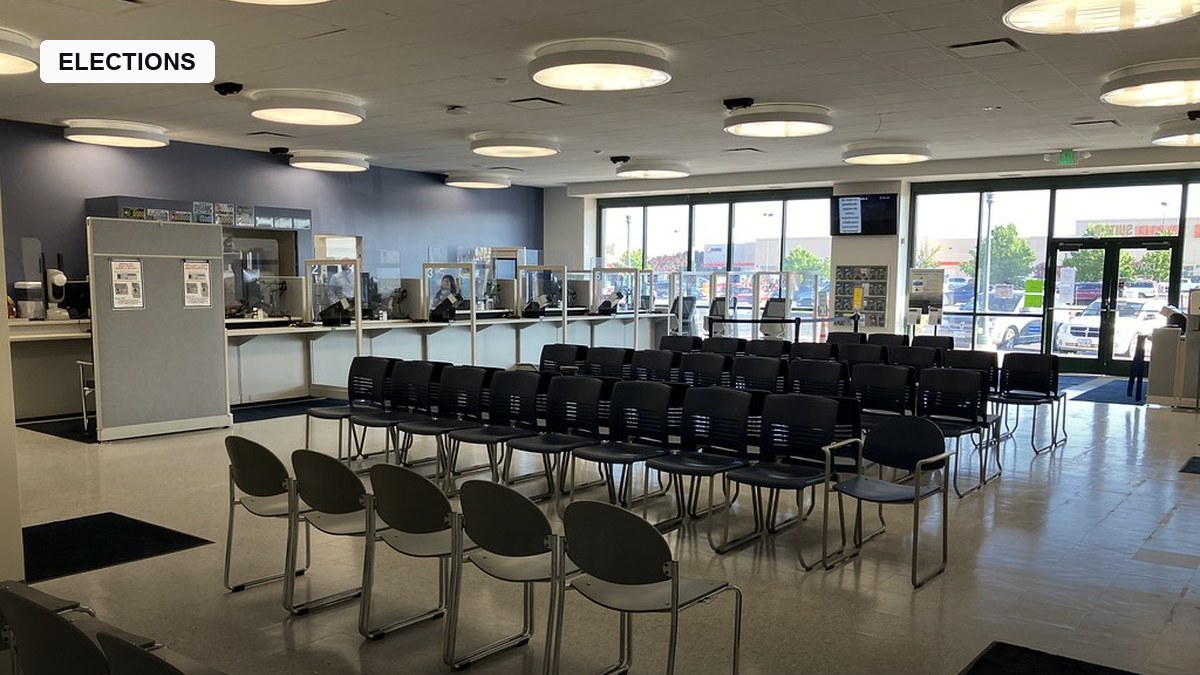
The problem originated in a routine and mundane place: the driver’s license application process. When noncitizens applying for a New Jersey license checked a box indicating they were not US citizens, the system was supposed to flag them as ineligible to register to vote. Instead, the software waved them through as eligible. It’s the kind of failure that sounds small in isolation — a checkbox not talking to a database the way it should — but at scale, over a year, it added up to thousands of improper registrations sitting quietly in New Jersey’s voter rolls until someone went looking.
New Jersey Cuts the Vendor Loose
New Jersey has since ended its relationship with IDEMIA and is moving its DMV technology contract to a different vendor, Thales. Sherrill ordered what her office is calling an independent investigation and has promised the results will be made public. The state’s framing has been direct: this was a vendor software failure that let ineligible registrations slip through a system that was supposed to catch them.
IDEMIA Fires Back
IDEMIA has not accepted that framing quietly. The company says the 6,600 files were processed “according to the design specifications as set out by the state” — in other words, that New Jersey’s own Motor Vehicle Commission and Division of Elections designed the eligibility-check logic, and IDEMIA simply built the system to those specifications. Fox News described the dispute as a “blame game” that has backfired on Sherrill’s administration once the vendor started pushing back publicly and on the record, turning what might have been a quiet fix into an open dispute over who designed the flawed logic in the first place.
A Federal Investigation, and a Bigger Worry
The Department of Justice has opened its own investigation into the New Jersey error, and a congressional probe is being planned for fall 2026. The stakes extend well past one state: more than half of US states use IDEMIA for some portion of their DMV services, and if the underlying software flaw is shared across those systems rather than unique to New Jersey’s implementation, the exposure could be considerably larger than 6,600 names in one state.
Not a New Problem, Just a Bigger One
New Jersey’s snafu isn’t without precedent. Votebeat has pointed to a similar DMV-linked registration error in Oregon in 2018, which flagged roughly 1,260 potentially ineligible voters through a comparable licensing-to-registration pipeline breakdown. What’s different this time is scale and timing: 6,600 is a much larger number, it surfaces four months before a midterm election, and it lands squarely inside an already heated national argument over voter-roll integrity, one that includes DHS threatening to withhold funding over election security compliance and a separate lawsuit in California targeting 873,000 inactive voter registrations.
What It Means Going Forward
For Sherrill, the political risk is that a story framed as “we caught a vendor’s mistake and fixed it” instead became “the vendor says it was our design, not their bug” — a much messier narrative heading into election season. For Republicans and the DOJ, the New Jersey case offers a concrete, real example to cite in a broader push around voter-roll security, even as separate claims about noncitizen voting elsewhere, including one Michigan case cited in a recent Trump speech, have already been debunked. The practical next step is the independent investigation Sherrill promised: whether it ultimately blames the state’s specifications, IDEMIA’s software, or some combination of both will shape not just New Jersey’s next vendor contract, but how much political ammunition either side gets to carry into the fall’s congressional hearings.