
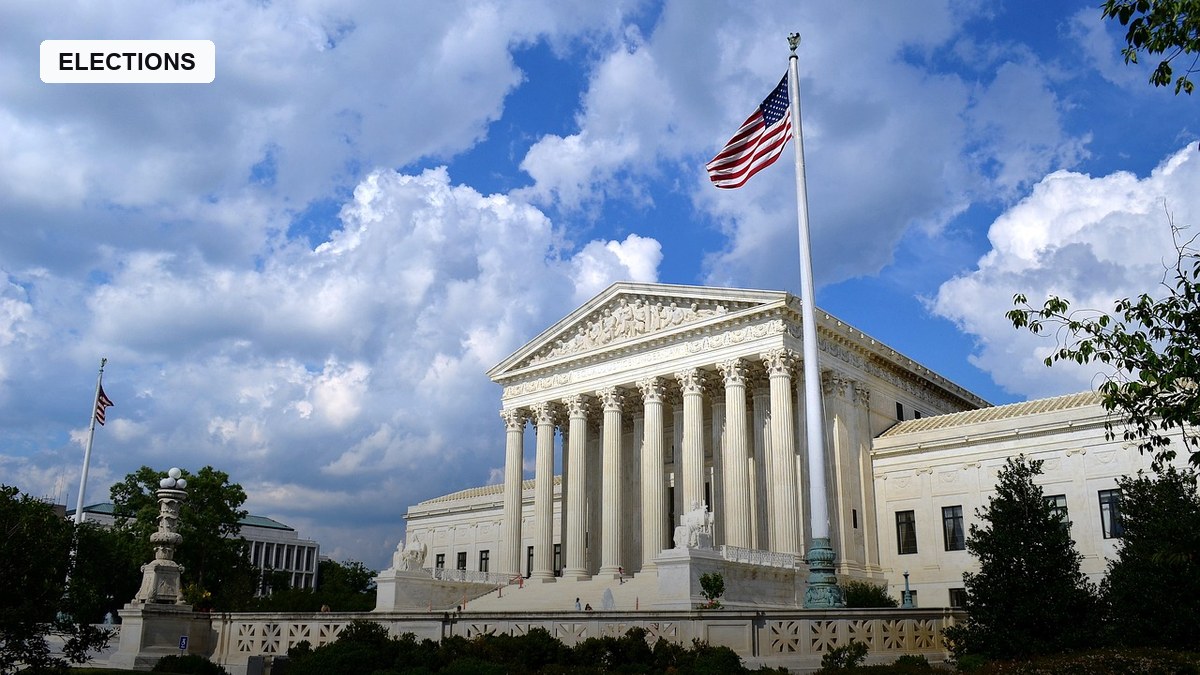
The US Supreme Court has blocked a lower-court ruling in a North Dakota redistricting dispute that would have undercut a key part of the Voting Rights Act related to Native American voting strength, a procedural intervention that keeps alive legal protections for tribal communities’ electoral influence even as the broader legal landscape for Voting Rights Act claims has shifted considerably following the Court’s Callais decision earlier this year.
What Was at Stake in the North Dakota Case
The underlying dispute centers on whether North Dakota’s legislative district maps adequately preserve the voting strength of Native American communities, a question with particular significance given the state’s substantial tribal population and a history of redistricting disputes specifically focused on whether district lines have diluted Native voters’ ability to elect candidates of their choice. A lower court had reportedly issued a ruling that would have significantly narrowed the legal protections available in such cases, prompting the Supreme Court’s intervention to block that outcome from taking effect.
Why the Supreme Court’s Intervention Matters Given Callais
The Court’s action comes in the same year its Callais ruling reworked the broader framework for when the Voting Rights Act requires majority-minority districts, a decision election law experts have described as poised to transform redistricting litigation nationally. The Court’s willingness to block a ruling that would have further narrowed Voting Rights Act protections in the North Dakota case, even amid this broader reshaping of VRA doctrine, suggests the justices did not view the specific Native American voting-strength question in this case as settled by Callais alone.
The Broader Pattern of Native American Voting Rights Litigation
North Dakota has been the site of several significant Native American voting rights cases in recent years, reflecting persistent disputes over whether district maps in states with substantial tribal populations adequately account for geographically concentrated Native communities when drawing legislative boundaries, a recurring legal battleground given the unique demographic and geographic characteristics of many tribal nations relative to standard redistricting criteria.
How This Fits the National Redistricting Litigation Surge
The case adds to a broader wave of redistricting litigation unfolding across multiple states this cycle, including challenges in Texas, Alabama, Tennessee, and Florida, part of what the Brennan Center has tracked as an intensifying nationwide surge of map challenges following the Supreme Court’s reshaping of the legal standards governing such disputes.
What It Means Going Forward
With the Supreme Court having blocked the lower court’s ruling, the underlying North Dakota case will likely continue through further litigation, with the ultimate outcome carrying significant implications for how courts nationally apply Voting Rights Act protections to Native American communities in redistricting disputes, particularly as similar questions continue arising in other states with substantial tribal populations.
Photo: Baldur93 / PIXABAY via Pixabay
