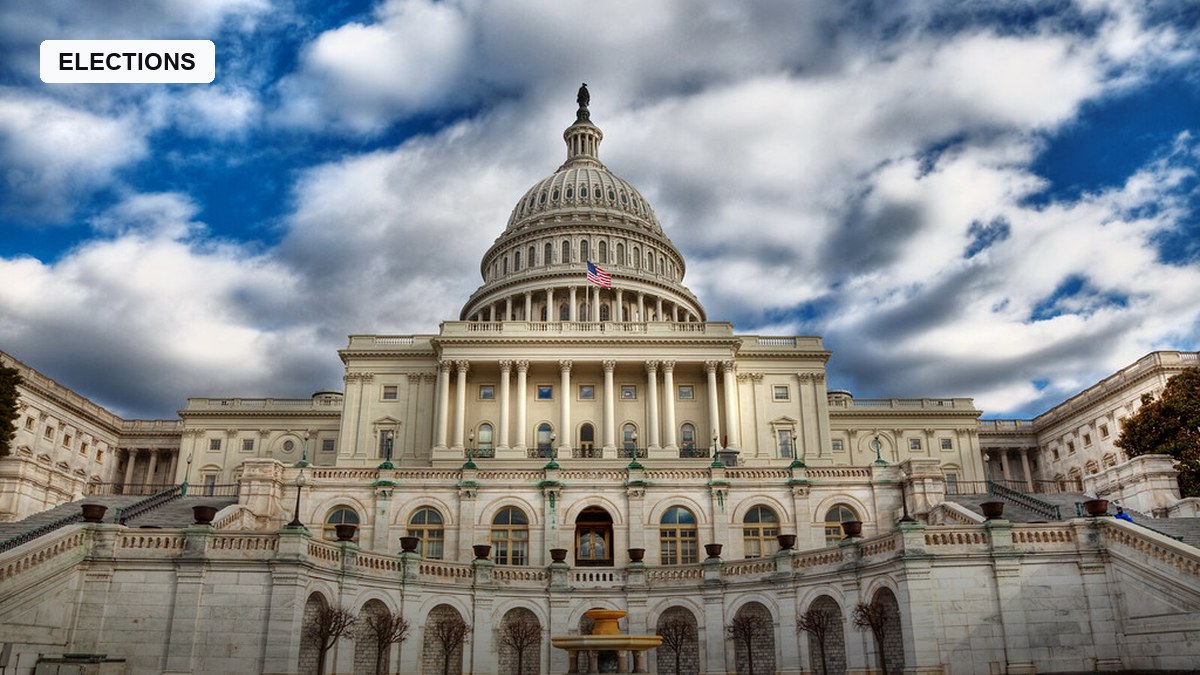
The race for the Senate is being reshaped not just by challengers, but by who is leaving. A wave of retirements has opened up seats across the map, turning contests that might have been sleepy incumbent defenses into wide-open battlegrounds. From North Carolina to Michigan, the surge of open seats has scrambled the 2026 landscape — and handed both parties fresh opportunities and risks in the fight for control.
Why open seats matter
Incumbency is a powerful shield. Sitting senators enjoy name recognition, fundraising networks and a track record that makes them hard to dislodge. When they retire, that advantage vanishes, and the seat becomes far more competitive. Open races draw crowded fields, heavier spending and national attention, often becoming the decisive contests in the battle for the majority.
The retirements reshaping the map
Several high-profile exits stand out. In North Carolina, Thom Tillis’s retirement opened a seat now leaning Democratic with Roy Cooper running; in Michigan, Gary Peters’s departure created a wide-open scramble. Each retirement removes an incumbent’s built-in edge and forces parties to recruit, fund and rally behind new candidates in races suddenly up for grabs.
The opportunities
Open seats cut both ways. They give the out-party a chance to flip territory that an entrenched incumbent might have held, while forcing the incumbent’s party to defend without its strongest asset. The result is a more fluid map where strong candidates and favorable conditions can swing seats — raising the stakes of recruitment and primary outcomes.
The risks
Open races can also backfire. Crowded primaries may produce divisive or untested nominees, drain resources, and expose intraparty rifts before the general election even begins. A seat that looked winnable can slip away if a party fails to unite, making the management of open-seat contests a delicate, high-stakes exercise for both sides.
Why it matters
The Senate hinges on a handful of seats. With control likely to come down to a few close races, the surge of open contests magnifies their importance — these are precisely the seats most likely to flip. How parties navigate the open-seat landscape, from candidate quality to fundraising, could determine which side holds the majority after November.
The bottom line
A surge of retirements has reshaped the 2026 Senate map, turning open seats into the cycle’s pivotal battlegrounds. With incumbency’s advantage removed in key states, both parties face fresh opportunities and real risks. As control of the chamber hangs on a few close races, the fight over these wide-open seats may well decide who runs the Senate — and shapes the back half of the presidential term.
Photo: Bold Frontiers / BY via flickr