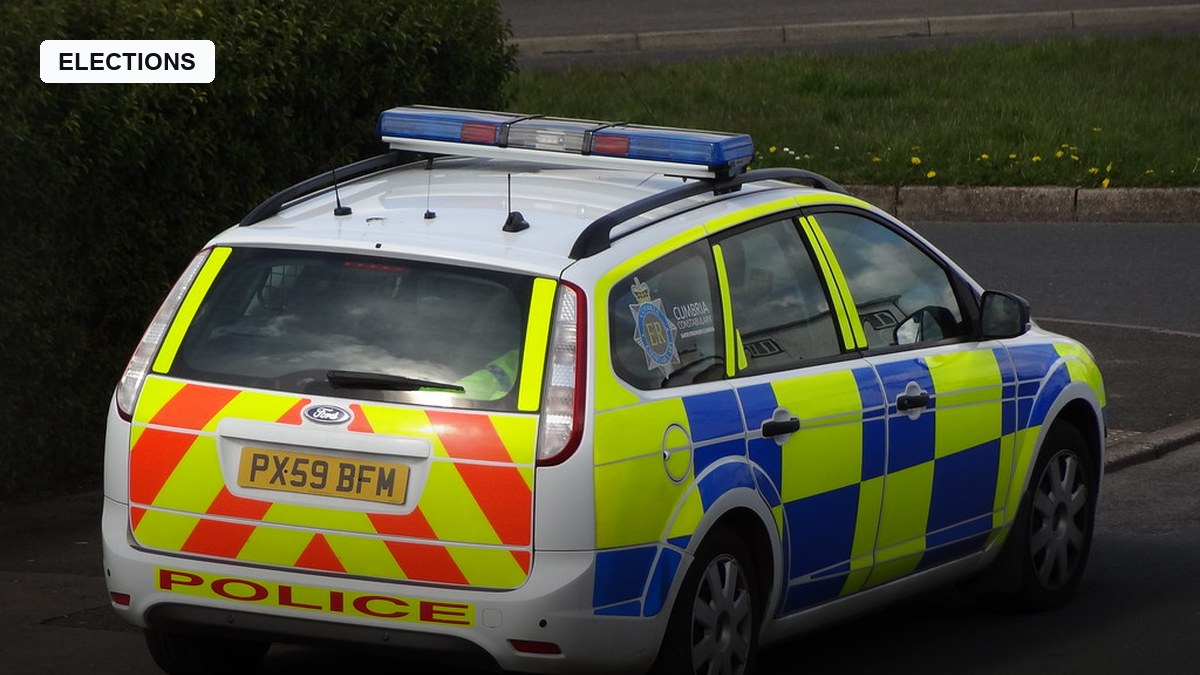
An issue with deep emotional resonance is back in the spotlight for 2026: crime and public safety. Perceptions of safety in communities are shaping campaigns across cities and suburbs, and both parties are sharpening their messages on policing, crime and justice. In a cycle where pocketbook worries dominate, the visceral concern for personal safety remains a potent force at the ballot box.
A visceral issue
Safety hits close to home. Few concerns are as immediate or emotional as the safety of one’s family and neighborhood, and perceptions of crime — shaped by experience and media alike — can move voters powerfully. That makes public safety a recurring and unpredictable factor in elections, capable of cutting across other priorities.
The competing messages
The parties frame it differently. One emphasizes tougher enforcement, support for police and order; the other stresses both safety and reform, addressing root causes and fairness in the justice system. How candidates balance toughness with reform — and read their electorate’s mood — shapes which approach resonates.
The suburban dimension
Suburbs are the battleground. Public safety concerns weigh heavily with suburban voters, a pivotal swing constituency, who want both security and sensible policy. Candidates who credibly address safety without alienating moderates can gain an edge in the districts that often decide control.
Perception versus data
The debate is as much about feeling as fact. Crime statistics and public perception don’t always align, and campaigns work to shape the narrative to their advantage. Whether voters feel safe — regardless of the underlying numbers — can matter more politically than the data itself, making messaging crucial.
Why it matters
It can sway close races. As an issue that mobilizes and persuades across party lines, public safety carries real weight in competitive contests, particularly in suburban and urban districts. In a tight cycle, how the crime debate plays could help tip the balance in key races.
The bottom line
Crime and public safety are resurfacing as potent issues in 2026, shaping campaigns and testing both parties’ messaging across cities and suburbs. Visceral and emotionally charged, the debate hinges as much on perception as data, and resonates especially with pivotal suburban voters. In a closely divided cycle, the law-and-order question could prove consequential in the races that decide control.