
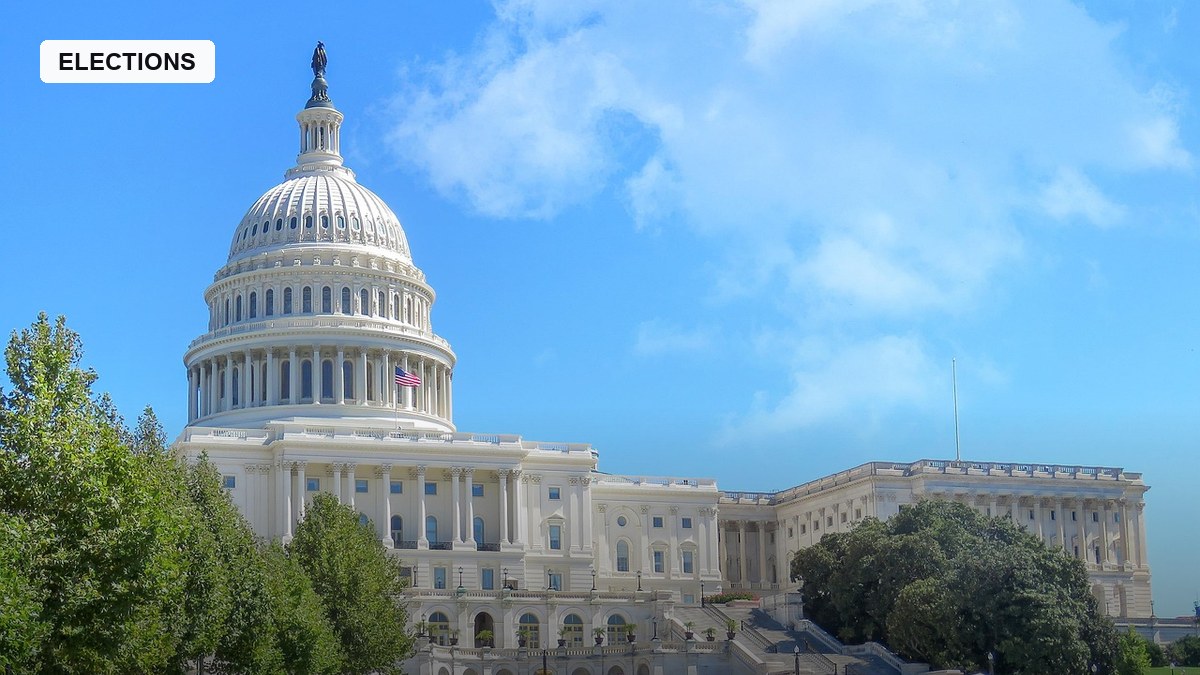
With just days left before Election Day, Decision Desk HQ’s forecast as of October 12 gives Democrats a 76% chance of winning a House majority, while Republicans retain a 24% chance built largely around mid-cycle redistricting in Texas and Florida that reshaped dozens of districts in the GOP’s favor. The House is currently split 218 Republicans, including one independent who caucuses with the party, to 214 Democrats, with two seats vacant, meaning Democrats need a net gain of only three seats to retake control.
Why This Map Looks Different From 2024
Unlike prior midterms, this cycle’s battlefield was reshaped mid-decade by aggressive redistricting pushes in multiple states. Texas Republicans redrew congressional lines to shore up several competitive seats, and Florida’s map changes similarly consolidated GOP advantages in districts that had been marginal. Analysts at Cook Political Report and Roll Call have both noted that without those redistricting efforts, Democrats would likely be favored by a wider margin than current forecasts show, given the historical pattern of the president’s party losing House seats in midterm elections.
The Toss-Up Seats That Will Decide Control
Cook Political Report currently rates 21 House races as pure toss-ups, and Republicans hold 15 of them, a lopsided distribution that reflects how much of the GOP’s current majority rests on seats won narrowly in 2024. Districts drawing the heaviest outside spending include Iowa’s 1st, Arizona’s 6th, Pennsylvania’s 10th, where Republican Rep. Scott Perry faces Democrat Janelle Stelson, and New York’s 17th, where Republican Mike Lawler is seeking reelection in a district Democrats have targeted repeatedly since 2022.
The Issues Shaping Competitive Districts
CBS News’s battleground analysis points to the war in Iran and persistent cost-of-living pressures as the two issues most responsible for Republican vulnerability in swing districts this cycle. Democratic challengers in competitive seats have centered their closing messages on grocery and housing costs, while endangered Republican incumbents have tried to localize their campaigns around infrastructure spending and public safety to distance themselves from unpopular national dynamics.
A GOP Retirement Wave Complicates the Math
Newsweek’s review of the cycle found an unusually large number of Republican retirements in competitive or marginal districts, open seats that are generally harder for the incumbent party to hold than races with a sitting member running for reelection. Montana’s 1st District, redrawn to lean more Republican, is among the seats forecasters are watching to see whether redistricting gains can offset losses elsewhere on the map.
What Democrats Need to Go Right
Democratic strategists are counting on suburban districts in Pennsylvania, Arizona and New York, areas where the party has overperformed in recent special elections, to deliver most of the net seats needed for a majority. National Republican Congressional Committee officials counter that their redistricting investments and sitting-incumbent advantages in the newly drawn Texas and Florida seats give them a firewall that past midterm cycles lacked.
What’s Next
Both parties’ House campaign committees have reserved additional advertising inventory in the roughly 42 districts both sides now consider in play, according to CBS News’s tally, a sign that internal polling remains close enough in enough seats to justify last-minute spending. Whichever party ends up controlling the chamber will do so by a margin of only a handful of seats, forecasters say, making turnout operations in a relatively small number of suburban and exurban districts likely to decide the next two years of the legislative agenda.
Photo: 10302144 / PIXABAY via Pixabay
