
Iowa’s open US Senate race, triggered by Republican Joni Ernst’s decision not to seek a third term, has emerged as an unexpected battleground, with Democrat Josh Turek holding a lead over Republican Ashley Hinson in several polls conducted through late September. A survey of 1,050 registered voters taken September 17-20 found Turek leading 50% to 42%, while a YouGov poll from September 3-8 showed a tighter 44% to 43% split, illustrating how competitive a state that twice backed Donald Trump by wide margins has become.
Two Sitting Officials Face Off for an Open Seat
Turek, a member of the Iowa House of Representatives and a Paralympic wheelchair basketball gold medalist, advanced from the Democratic primary in June after building a campaign around expanding rural health care access and protecting Social Security. Hinson, a sitting US Representative from Iowa’s 2nd district since 2021, has centered her bid on border security and continuing the agenda of the outgoing administration, betting that her existing statewide name recognition from four years in Congress gives her an edge once undecided voters make up their minds.
A Mixed Polling Picture
Not every survey has told the same story. An Emerson College poll taken August 31-September 1 found Hinson ahead of Turek 50% to 45%, underscoring how sensitive the race’s numbers are to which pollster and methodology is used. A Trafalgar Group poll of likely voters conducted September 16-18 has circulated among party strategists but has not published detailed topline results, leaving both campaigns to rely on their own internal numbers heading into the final weeks.
Why Iowa Is suddenly Competitive
Iowa backed Trump by roughly eight points in 2024, and Ernst herself won reelection comfortably in 2020, making the current competitiveness of the race notable to political handicappers who had not originally listed the state among top-tier Senate battlegrounds. Democratic strategists point to rising discontent in the state’s agricultural communities over trade disruptions and falling commodity prices as a factor pulling some rural voters toward Turek, while Republicans argue the race will tighten as national funding flows toward Hinson in the campaign’s closing stretch.
The Arguments From Each Side
Turek’s campaign has emphasized his personal story and his record in the state legislature pushing disability rights and rural broadband expansion, arguing it gives him crossover appeal beyond the traditional Democratic base in a state Trump carried twice. Hinson’s team counters that her four terms representing a swing district prove she can win over independents, and that an open-seat Senate race in a Republican-leaning state should ultimately favor the GOP once turnout machinery kicks in during the final days before the November 3 election.
National Implications
National Senate campaign committees from both parties have increased ad spending in Iowa’s Des Moines and Cedar Rapids media markets over the past month, a sign that what began as an overlooked race is now viewed as a potential factor in which party organizes the chamber in January. Outside groups aligned with both campaigns have reported record fundraising hauls in the third quarter, with much of the money directed at television and digital ads targeting independent voters in the state’s suburban counties.
What to Watch Before Election Day
With early voting underway and polls showing a volatile but genuinely competitive race, strategists on both sides say the outcome will likely come down to turnout in Iowa’s smaller cities and rural counties, where Turek’s health care and farm-economy messaging is being tested against Hinson’s incumbency advantage and national party support in the campaign’s final stretch.
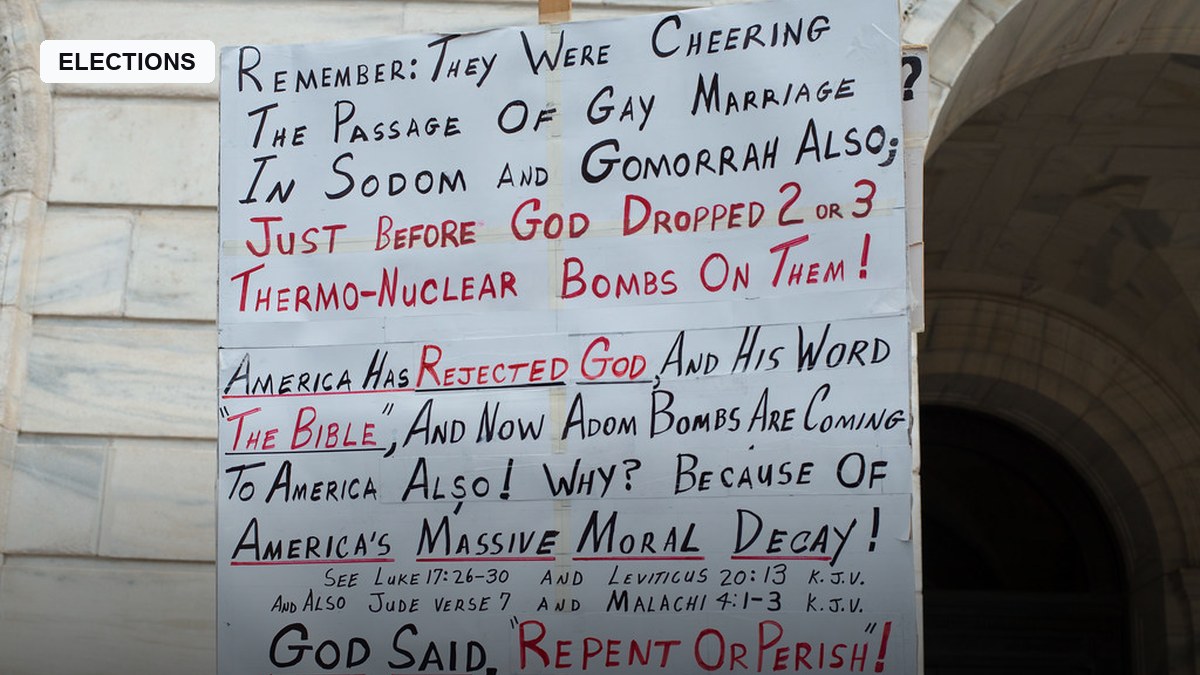
Photo: Fibonacci Blue / BY via flickr
