
Democrat Roy Cooper holds a double-digit lead over Republican Michael Whatley in North Carolina’s open Senate race, according to a WRAL/WSOC poll fielded October 7-11 that put Cooper ahead 54% to 40%, with a separate final pre-election Elon University poll conducted September 29 through October 8 also showing Cooper with a comfortable double-digit advantage. The contest, widely considered the most expensive Senate race in the country this cycle, has drawn intense national attention as Democrats look to it as their best opportunity to flip a Republican-held seat on November 3.
How the Race Took Shape
The contest opened up after Republican Senator Thom Tillis announced he would not seek reelection, prompting Trump-backed Republican National Committee chair Michael Whatley and former two-term Democratic governor Roy Cooper to enter the race as their parties’ respective standard-bearers. Cook Political Report has rated the race a toss-up for much of the cycle, and Democrats need to flip four seats nationally to retake Senate control, placing North Carolina at the very top of the party’s target list. Cooper’s decades of statewide name recognition, built across two terms as attorney general and two as governor, gave him an unusually strong starting position in a state that has nonetheless voted for Republican presidential candidates in six of the past seven elections.
Why Cooper’s Polling Lead Has Fluctuated
Earlier polling told a considerably tighter story, with a Public Policy Polling survey from July showing Cooper ahead by just 4 points, 48% to 44%, while a May analysis from J.L. Partners suggested Whatley was running close to even with Cooper under certain vote-reallocation assumptions. The widening margin shown in October surveys suggests Cooper’s name recognition advantage as a former two-term governor has solidified as Election Day approaches, though pollsters caution that some surveys may be overstating Cooper’s actual position given historical patterns of late Republican consolidation in competitive Senate races. A Harper Polling survey of 600 likely voters, whose exact fielding date was less clear than the other surveys, found a somewhat narrower 8.7-point Cooper lead, illustrating how methodology differences across pollsters continue to produce a meaningful range of outcomes even as every recent public poll has shown Cooper ahead.
Why This Is the Most Expensive Senate Race in the Country
A Davidson College political science professor has said flatly that the North Carolina Senate race will be the most expensive in the country this cycle, reflecting the enormous national stakes both parties have placed on the outcome and the correspondingly massive outside spending flowing into the state from national party committees and independent expenditure groups. That spending has saturated North Carolina’s media markets with campaign advertising well ahead of most other competitive Senate races nationally, with television, digital and mail advertising from both candidates and allied outside groups now a near-constant presence for voters in the state’s major media markets in the campaign’s final weeks.
What the Demographic Crosstabs Reveal
The Elon University poll’s internal crosstabs showed a notable gender split, with Cooper and Whatley running roughly even at 42% each among male likely voters, while female voters favored Cooper by a wide 51% to 34% margin, a pattern consistent with broader gender gaps observed in competitive races nationally this cycle. That gender divide, if it holds through Election Day, would suggest Cooper’s path to victory runs substantially through turning out female voters at high rates relative to his performance among men.
How National Republicans Are Responding
Some conservative commentators and Republican-aligned outlets have pushed back on the double-digit polling margins, arguing that Cooper’s actual lead is narrower than top-line numbers suggest once undecided and soft-support voters are accounted for, a dynamic that has become a recurring feature of how both parties interpret the same polling data in competitive 2026 races nationwide. Whatley’s campaign has continued emphasizing his ties to the Trump political operation as a mobilization strategy for the final stretch, betting that strong base turnout can close whatever gap current polling shows.
What Comes Next as Election Day Nears
With early voting already underway across North Carolina and the final pre-election polls showing Cooper with a significant advantage, the race’s outcome will serve as one of the clearest signals nationally of whether Democrats can convert favorable polling into an actual flipped Senate seat, a conversion that has proven elusive in several past cycles despite similarly promising pre-election numbers. Both parties’ national committees are expected to continue pouring resources into the state through November 3, regardless of how the polling margin evolves in the race’s final days.
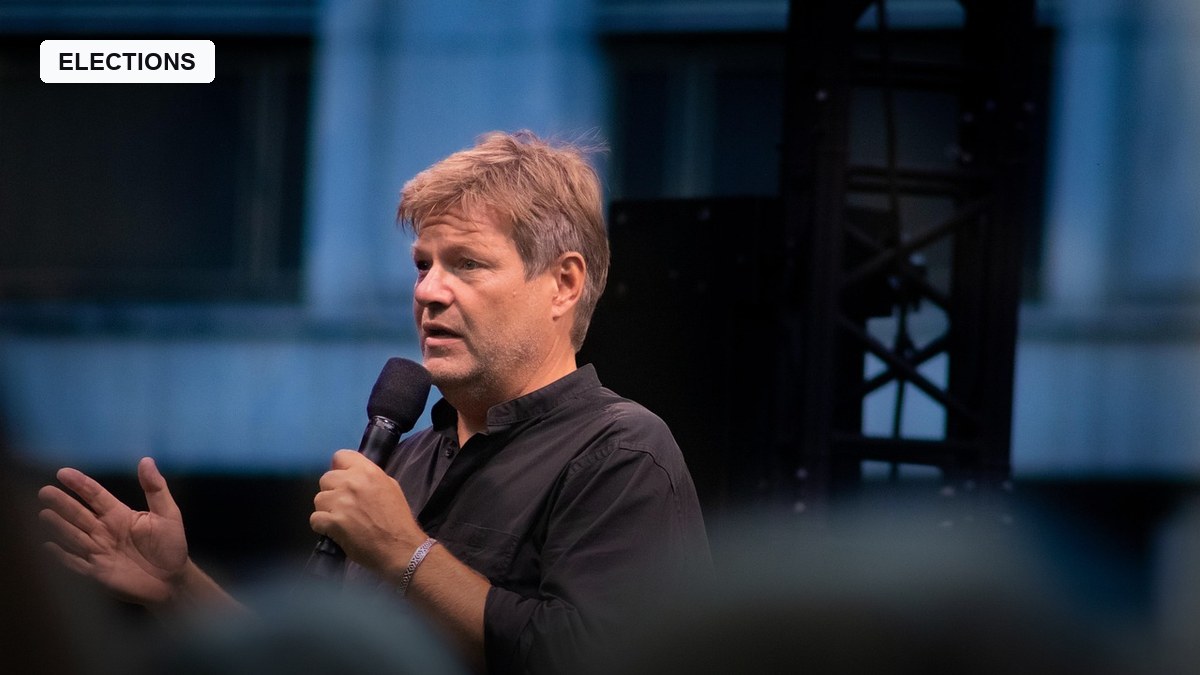
Photo: HOCKULUS / PIXABAY via Pixabay
