The biggest state in the country is choosing a new leader. With Gavin Newsom term-limited and barred from running again, California’s 2026 governor race is wide open — a high-profile scramble to lead a state of nearly 40 million people, the world’s fifth-largest economy, and a perennial launchpad for national ambition. The contest is one of the marquee races of the cycle.
The open seat
Newsom’s departure resets the field. A term-limited, nationally prominent governor leaving creates a rare open contest in a state where the office carries enormous weight, and a crowded field of Democrats — and a few hopeful Republicans — is jostling to succeed him. Without an incumbent, the race becomes a wide-open fight defined by candidates, coalitions and California’s unique politics.
The jungle primary
California’s rules shape everything. The state’s nonpartisan ‘top-two’ primary puts all candidates on one ballot regardless of party, with the two highest finishers advancing — even if they share a party. In deep-blue California, that often produces a Democrat-versus-Democrat general election, making the primary a crucial, unpredictable scramble where name recognition and coalition-building are paramount.
A Democratic stronghold
The math favors the left. California’s strong Democratic lean means the eventual Democratic nominee is the clear favorite, and the fiercest competition is within the party. Contenders are positioning across the spectrum — from establishment figures to progressives — each vying to assemble the diverse coalition needed to win a state as vast and varied as California.
The 2028 shadow
The governorship is a national platform. Leading California has long been a springboard for higher ambition, and whoever wins instantly becomes a figure in national politics — and a potential presidential contender down the line. That elevates the stakes and draws national attention, money and scrutiny to a race that is about far more than state policy.
Why it matters
California governs on a massive scale. The next governor will shape policy on the economy, housing, immigration, climate and technology for tens of millions of residents, often setting trends that ripple nationwide. As a counterweight to Washington and a laboratory for progressive policy, California’s leadership carries influence well beyond its borders — making this race nationally consequential.
The bottom line
California’s open governor race is a wide-open, high-stakes scramble to succeed the term-limited Newsom, shaped by the state’s jungle primary and its deep Democratic lean. The winner will lead the nation’s largest state and step onto the national stage — possibly toward 2028. With a crowded field and enormous stakes, it is one of 2026’s most closely watched contests.
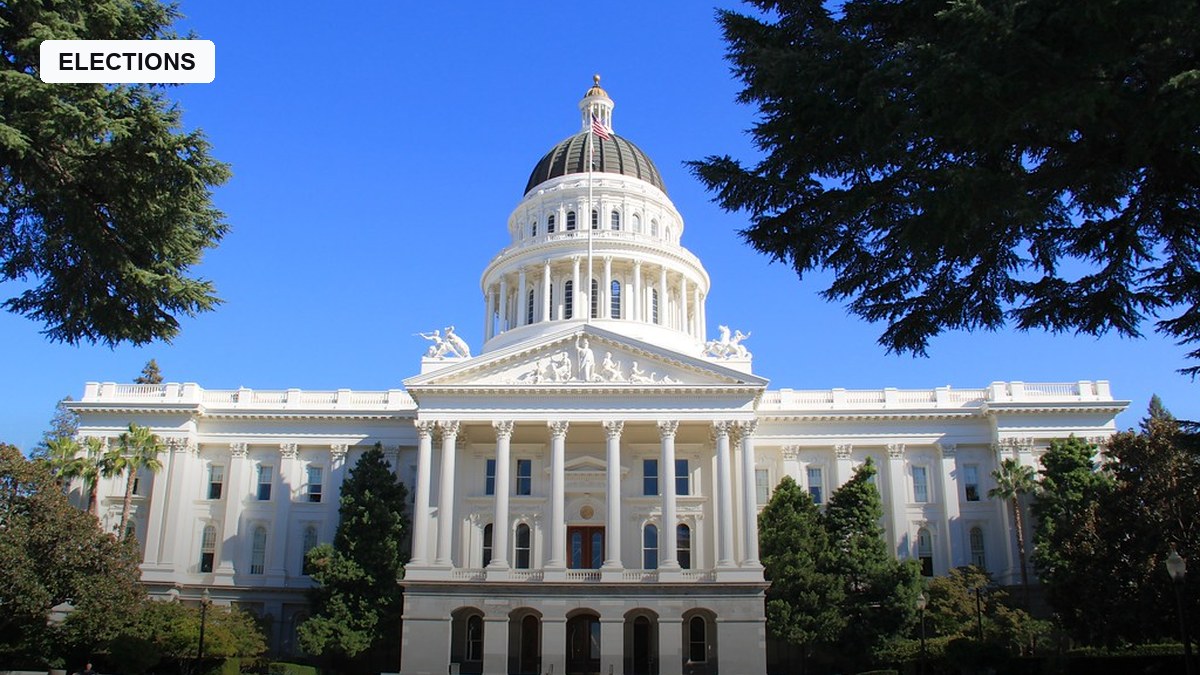
Photo: daveynin / BY via flickr