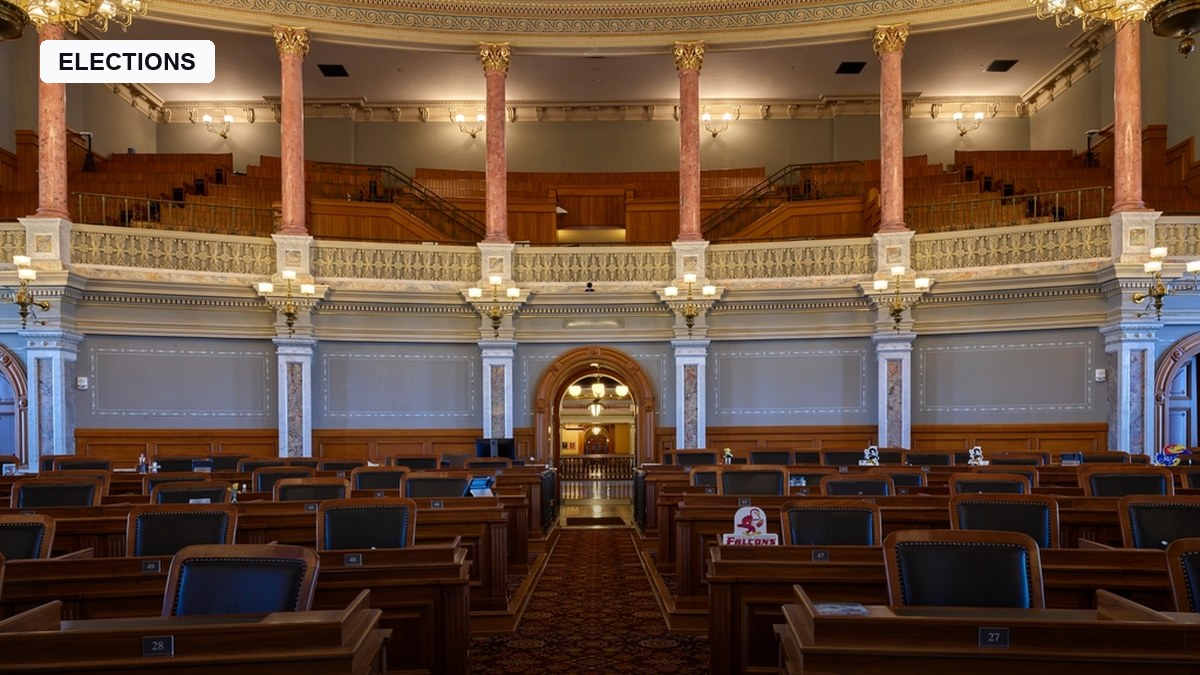
The fight for the U.S. Senate is on, and a handful of states will decide it. With 35 seats in play on November 3, 2026, control of the chamber hangs in the balance. Democrats need a net gain of four seats to retake the majority, and the battle runs through a familiar set of toss-ups — Georgia, Michigan and beyond — where economy and immigration dominate and every result could tip the balance of power.
The map and the math
The numbers frame the fight. Republicans hold a 53-47 edge, with 35 seats up in 2026 including special elections in Florida and Ohio, 23 of them defended by Republicans. Democrats must net four to flip the Senate — a tall order, but one helped by the historical tendency for the party out of the White House to gain in midterms.
Georgia in the crosshairs
One seat looms especially large. Senator Jon Ossoff is up for re-election in a state Donald Trump carried in 2024, making him a top target. Three Republicans — Reps. Buddy Carter and Mike Collins and former football coach Derek Dooley — are vying to challenge him, setting up one of the cycle’s marquee contests.
Michigan stays a toss-up
The Midwest battleground is wide open. Michigan is rated a toss-up, with Republicans bullish on former congressman and relative moderate Mike Rogers. Democrats remain confident the purple state stays blue given the national environment, making it a key test of which way the political winds are blowing.
The issues driving voters
The kitchen table decides elections. The economy and immigration top the list of voter concerns, issues that have often favored Republicans. How candidates address cost of living, jobs and border policy could prove decisive in races where margins are razor-thin.
A shifting outlook
Momentum is in flux. By spring, polling and forecasts showed Republican sweep prospects declining as Democratic chances stabilized or improved in key races. The favorable midterm climate for the out-party, combined with strong recruits, has kept Democrats in contention despite a difficult map.
Why it matters
The Senate shapes the nation’s direction. Control determines confirmations, legislation and the checks on executive power, making these races consequential far beyond their states. With the chamber so closely divided, a few thousand votes in a handful of contests could decide who holds the gavel.
The bottom line
The battle for the Senate in 2026 runs through toss-up states like Georgia and Michigan, with Democrats chasing the four seats they need and Republicans defending a favorable map. Driven by the economy and immigration and shaped by a shifting outlook, the fight is wide open. Control of the chamber — and much of Washington’s agenda — hangs on these races.