Artificial intelligence has arrived in the campaign ad, and the law is scrambling to keep up. A controversy over an AI-generated political video tied to a New York gubernatorial contender has become a flashpoint in the fast-growing fight over deepfakes in elections — a fight now playing out across more than 30 states.
The controversy
The dispute centers on an AI-generated campaign video connected to Bruce Blakeman, the Nassau County executive and a Republican figure in New York’s gubernatorial picture. Critics argue the synthetic video may run afoul of New York’s 2024 law requiring disclosure of AI-generated or materially deceptive media in political communications. The episode crystallizes a question every campaign now faces: when does using AI in an ad cross a legal line?
The patchwork of state laws
There is no single national rule, so states have moved on their own. More than 30 states have enacted or advanced laws regulating AI and deepfakes in political advertising, most requiring clear disclosure when synthetic media is used — and some restricting deceptive deepfakes outright in the windows before an election. The result is a patchwork: what is legal in one state may violate disclosure rules in another, creating a compliance minefield for national campaigns.
Disclosure vs. deception
Most laws draw the line at transparency. Using AI to produce or enhance an ad is generally permitted — so long as it is disclosed and not deceptive. The danger zone is undisclosed synthetic media that could mislead voters about what a candidate said or did. The Blakeman dispute turns on exactly that distinction: whether the video was properly labeled and whether it crosses into deception.
Why it matters
Deepfakes threaten the basic currency of democracy — voters’ ability to trust what they see and hear. A convincing fake video dropped at the right moment could swing perceptions before it is debunked. State disclosure laws are the first line of defense, but enforcement is untested, fast-moving and inconsistent. As the 2026 cycle heats up, cases like this one will set precedents for how aggressively the rules are applied.
The enforcement challenge
Laws on paper are only as good as their enforcement. Detecting AI-generated content is hard, disputes move slower than viral videos, and penalties vary widely. First Amendment concerns also limit how far regulators can go in restricting political speech. The tension between curbing deception and protecting expression will define the next phase of this debate.
The bottom line
The dispute over an AI-generated campaign video is an early test of laws written for exactly this moment. With 30-plus states now regulating deepfakes in political ads, campaigns face a new compliance reality — and voters face a new threat to trust. How cases like this are resolved will shape the rules of AI-era elections.
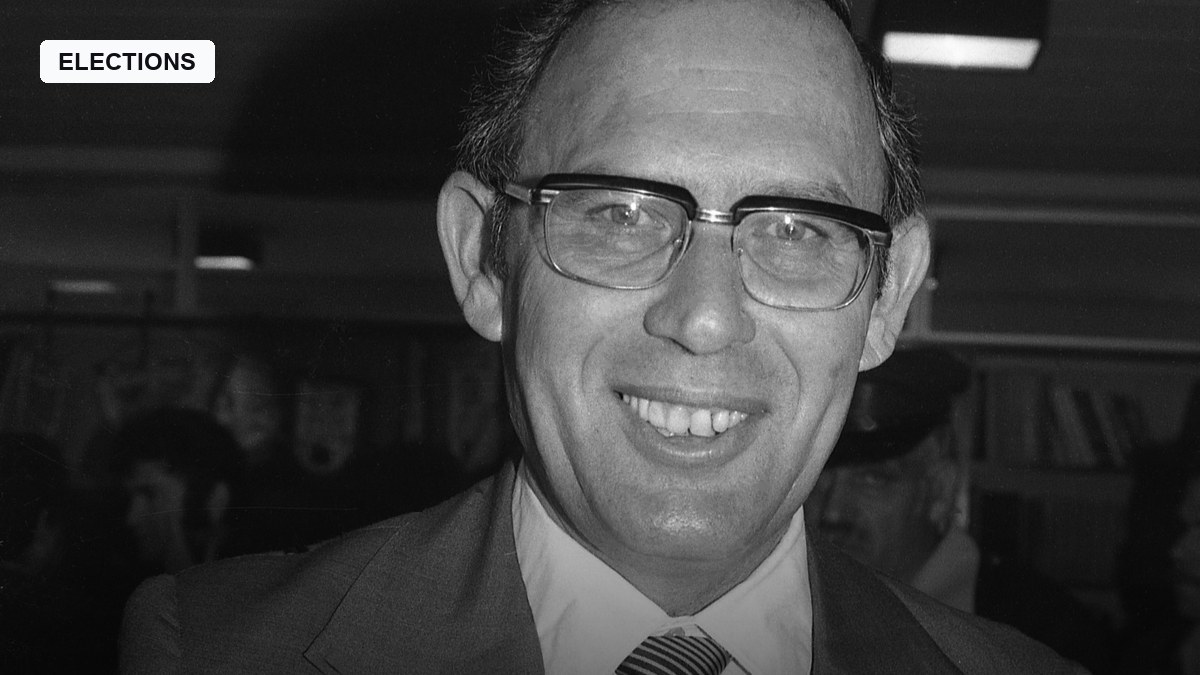
Photo: Danny Gotfried / BY via wikimedia