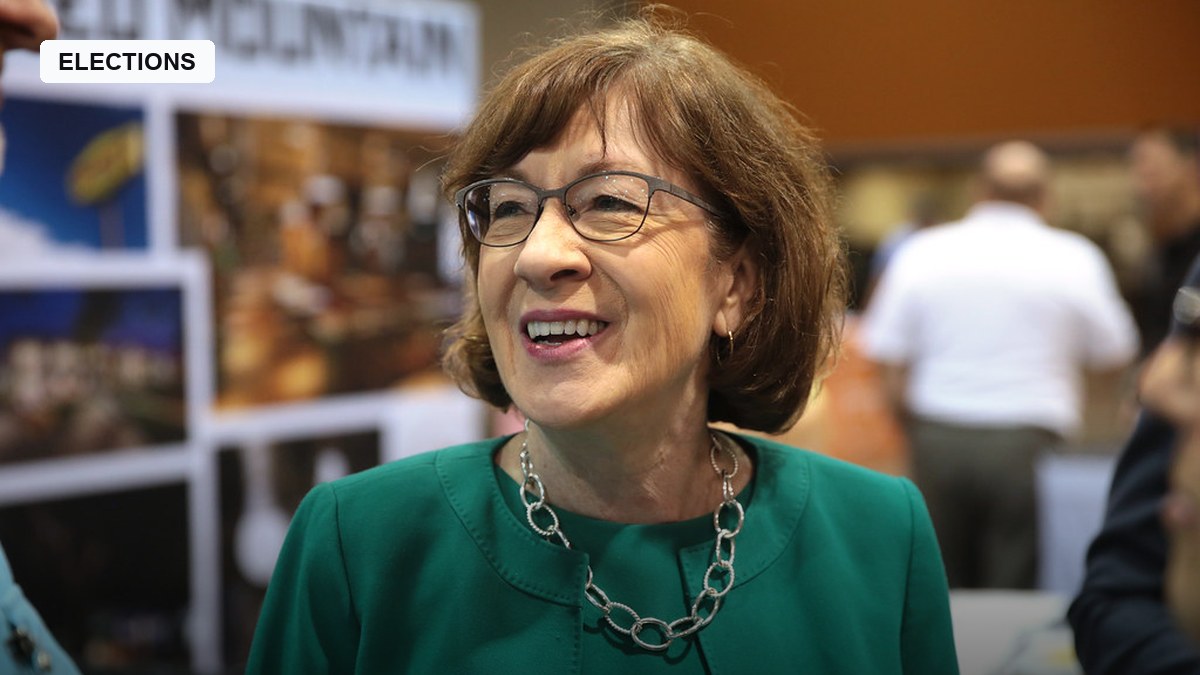
Maine Democrats closed the book on one of the most turbulent nomination fights of the 2026 cycle on July 25, formally selecting Troy Jackson, the former president of the Maine Senate, as their candidate against five-term Republican Sen. Susan Collins. Delegates gathered at an unusual party convention after Jackson’s predecessor, oyster farmer and Marine veteran Graham Platner, abruptly ended his campaign on July 8 following a Politico report in which Jenny Racicot, a Maine woman who once dated him, accused him of raping her in 2021. Platner has denied the allegation, calling it “false” and “not real,” but the fallout proved fatal to his candidacy.
A Convention Born of Crisis
The switch was not a routine primary. Platner had won the Democratic primary outright weeks earlier, riding a populist, plainspoken campaign style and an endorsement from Sen. Bernie Sanders that unsettled the party establishment. But after the assault allegation surfaced, Senate Minority Leader Chuck Schumer and national Democratic campaign committees publicly called on him to step aside and said they would withhold further investment in Maine as long as he remained on the ballot. Massachusetts Sen. Elizabeth Warren, who had endorsed Platner earlier in the race despite controversy over a Nazi-linked tattoo he said he later had altered, also urged him to quit. With Platner gone, Maine’s 16 counties held two days of delegate selection, awarding the vast majority of the 319 available slots to delegates aligned with Jackson ahead of a nominating vote that made his selection official.
Who Is Troy Jackson
Jackson, 58, is a fifth-generation logger from Allagash, in Maine’s rural St. John Valley, the son of a logger and a public school teacher. He spent years working 80-hour weeks in the woods before entering politics, first winning a seat in the Maine House and then the state Senate in 2008. He served as Senate president from December 2018 to December 2024, during which he championed collective-bargaining rights for loggers and haulers, aligning them with protections already given to potato farmers and lobstermen. He is a member of the Painters and Allied Trades union and the Machinists union, and in the 1990s he led a loggers’ blockade protesting the hiring of lower-paid Canadian labor. Democrats chose him in part because his blue-collar, economic-populist message closely mirrors the one that initially made Platner a breakout candidate, without the personal baggage.
Collins Draws Her Line of Attack
Collins, first elected to the Senate in 1996 and seeking a sixth term, wasted little time framing her opponent. In an interview after Jackson’s nomination, she called him “a person who takes a hyper-partisan approach to the issues,” adding, “that’s one of the big contrasts between us,” and labeling him an “Augusta insider” for his two decades in the state Legislature. Collins has long built her brand on bipartisan deal-making and constituent service, and her campaign is expected to lean hard on that contrast against a nominee who spent six years running the Democratic caucus in Augusta. Jackson’s allies counter that his logging-industry roots and union ties give him more authentic working-class credibility in rural Maine than Collins, who they argue has drifted from the state’s economic concerns during her three decades in Washington.
Why the Race Matters Nationally
Maine is one of just 35 Senate seats on the ballot in 2026, and Democrats need a net gain of four to flip control of the chamber, where Republicans currently hold 53 seats. Decision Desk HQ’s latest forecast, cited by The Hill and Axios in late July, gives Democrats a narrow projected edge in the House but tags them as slight underdogs in the Senate, with Republicans likely to hold a 50-50 majority broken by Vice President JD Vance. That makes Maine, alongside contests in Georgia, North Carolina, Ohio, Arizona and Texas, one of a handful of races that could decide which party controls the chamber in January 2027. Collins is the only Republican senator running for reelection in a state Kamala Harris carried in 2024, a structural vulnerability Democrats have circled for years but have repeatedly failed to exploit.
Money, Machinery and the 101-Day Sprint
Jackson inherits a campaign operation built around Platner’s small-dollar fundraising network, which had drawn national attention for out-raising establishment-favored rivals earlier in the cycle, but he must now rebuild trust with the Democratic Senatorial Campaign Committee, which had frozen its investment during the Platner saga. National Democrats, including Schumer’s allies, are expected to move quickly to fund television and digital advertising now that the nominee fight is settled, given how little runway remains before Election Day on November 3. Collins, by contrast, enters the general election with an intact campaign infrastructure, a well-funded war chest built over multiple terms, and none of the disruption her opponent’s side just weathered.
What’s Next
With roughly 100 days until voters decide the race, both campaigns are expected to pour resources into Maine’s small media markets almost immediately, and outside groups on both sides are likely to make it one of the most expensive Senate races per capita in the country. Watch for whether Sanders and Warren, who backed Platner, fully transfer their enthusiasm and fundraising networks to Jackson, and whether Collins can again out-perform her party’s national numbers in a state that has elected Democratic governors and legislatures while repeatedly returning her to Washington. If Democrats fail to convert Maine despite the favorable partisan lean of the seat, it would be another sign that Collins’ brand of institutional incumbency remains durable even in a difficult political environment for her party; if Jackson wins, it becomes Democrats’ clearest path to the majority they need to check Trump-era Senate confirmations for the final two years of his term.