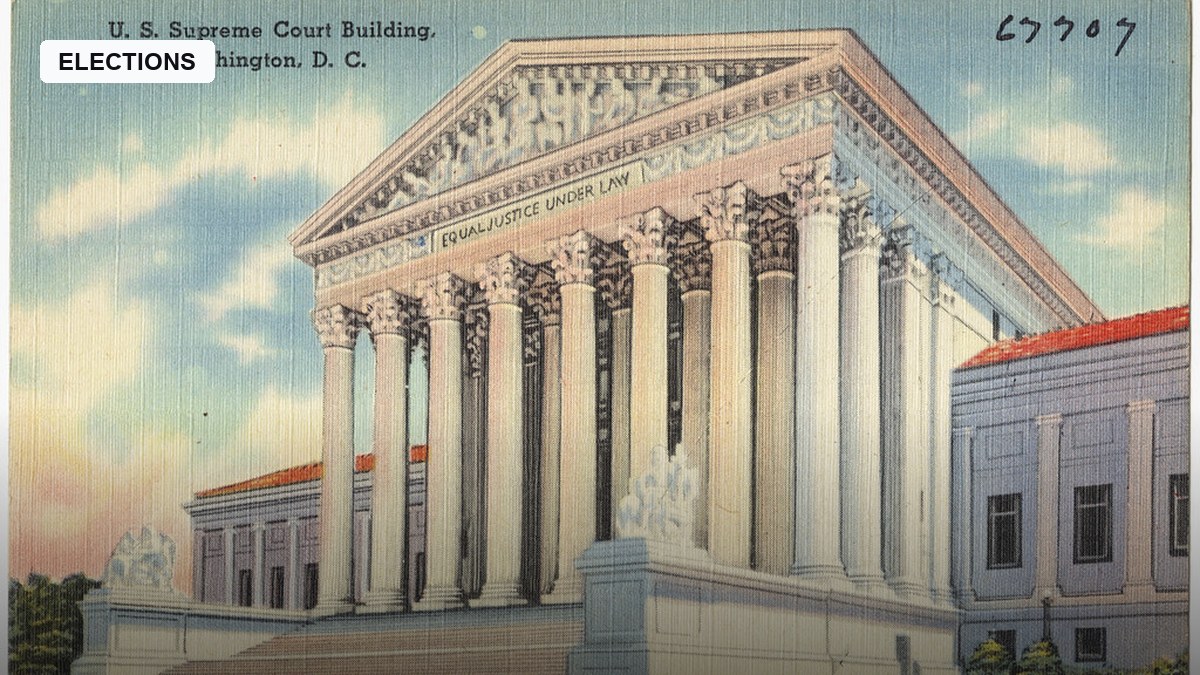
Voting rights advocates warn that the Supreme Court’s ruling in Louisiana v. Callais, which weakened Section 2 of the Voting Rights Act, could jeopardize as many as 19 minority-held congressional districts as states begin moving to redraw electoral maps under the new, more permissive legal standard the ruling established. The decision represents one of the most significant setbacks for Voting Rights Act enforcement in recent years, according to civil rights organizations tracking its implications.
What the Ruling Changed
Section 2 of the Voting Rights Act has long served as the primary legal tool for challenging electoral maps that dilute minority voting power, requiring that districts be drawn in ways that allow minority communities a genuine opportunity to elect candidates of their choice where specific demographic and voting pattern conditions are met. The Callais ruling narrowed the circumstances under which Section 2 claims can succeed, making it more difficult for plaintiffs to challenge maps that voting rights advocates argue dilute minority electoral influence.
Why 19 Seats Specifically Are at Risk
Voting rights organizations have identified 19 minority-held congressional districts nationwide that were drawn specifically to comply with the pre-Callais Section 2 standard, meaning these districts could face redistricting challenges or outright elimination if state legislatures move to redraw maps in ways that would not have survived legal scrutiny under the previous, stricter standard but may now be defensible under the Court’s revised framework.
The Redistricting Process Ahead
States with legislative authority over congressional redistricting, particularly those controlled by parties that stand to benefit politically from eliminating minority-held districts currently represented by the opposing party, face significant incentive to pursue new maps under the Callais standard, a dynamic that voting rights advocates argue could accelerate partisan gerrymandering efforts that use the weakened Section 2 protections as legal cover.
The Counter-Argument From Ruling Supporters
Supporters of the Callais decision, including some legal scholars who argue the prior Section 2 standard required an inappropriate degree of race-conscious map-drawing, contend the ruling brings redistricting law into better alignment with constitutional principles against racial classification in government action, arguing that race should play a more limited role in map-drawing decisions regardless of the resulting partisan or demographic representation outcomes.
The North Dakota Complication
The Callais ruling’s implications have become further complicated by a separate Supreme Court stay in a North Dakota case addressing whether private individuals and organizations can sue to enforce Voting Rights Act protections at all, a procedural question that, depending on its ultimate resolution, could further limit the practical avenues available for challenging maps drawn under the weakened Section 2 standard established in Callais.
What’s Next
State legislatures and redistricting commissions in affected states are expected to begin considering new congressional maps in the coming months, with any resulting changes likely to face immediate legal challenges from voting rights organizations testing the practical boundaries of the Callais standard, even as the ruling has already made such challenges considerably harder to win than under the Court’s previous Section 2 jurisprudence.
Photo: Boston Public Library / BY via flickr