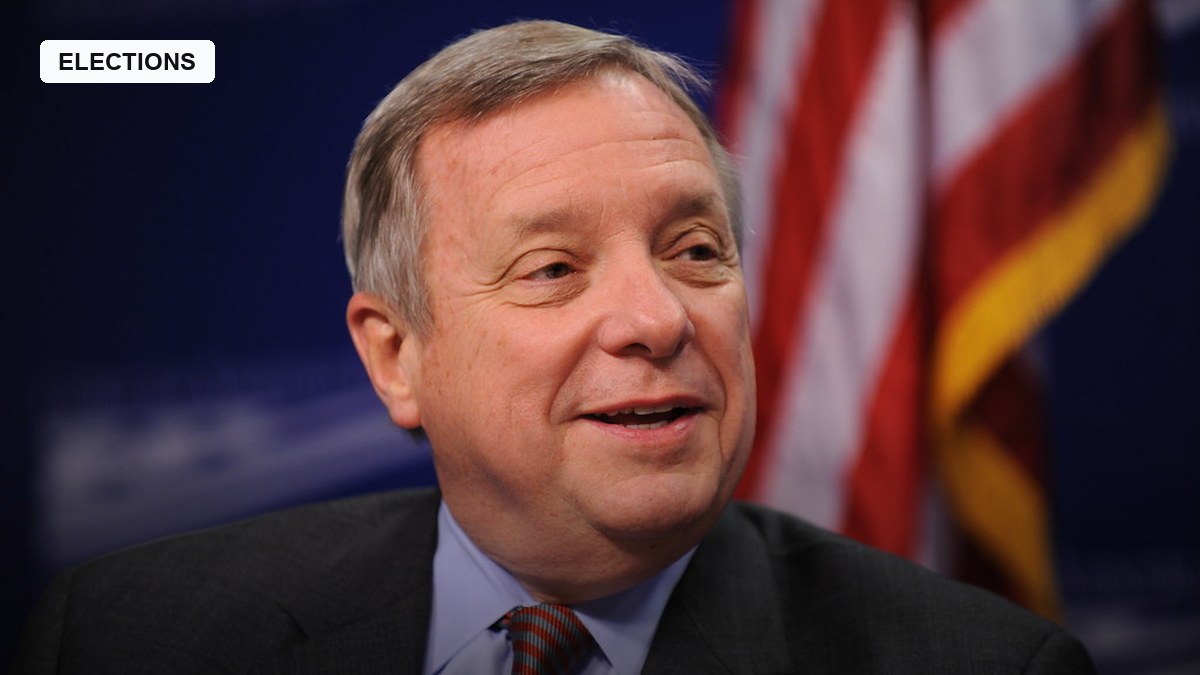
Senate Democratic Leader Chuck Schumer faces pressure from newer Democratic senators who have not yet publicly backed his continuation as majority leader, with Senate Democrats scheduled to hold their formal leadership elections in early December following the party’s decisive takeover of the chamber in the 2026 midterms.
The Source of the Internal Pressure
Several newly elected Democratic senators, having campaigned during a cycle in which voter frustration with the status quo in Washington featured prominently, have reportedly expressed reluctance to immediately commit their support to Schumer, a long-tenured leader whose continuation could be seen as inconsistent with a broader message of change that helped drive the party’s midterm success. This dynamic reflects a familiar tension in American politics, where a party’s electoral victory can simultaneously empower internal voices calling for generational or strategic leadership change.
Why Schumer Remains the Likely Favorite
Despite the public dissent from some newer members, Schumer is still widely expected to remain atop the Democratic caucus, reflecting both his institutional relationships built over years in leadership and the practical challenges any insurgent candidate would face in quickly building majority support within the caucus in the compressed timeframe before December’s elections. Senate leadership challenges against sitting leaders with Schumer’s institutional standing have historically had limited success even amid public grumbling.
What a Larger, More Diverse Majority Means for Leadership Dynamics
With Democrats having expanded their Senate majority to roughly 53 seats or more, including new members like Illinois’s Juliana Stratton, Schumer will need to manage a larger and more ideologically diverse caucus than during his time leading a narrower majority or minority, a dynamic that could either strengthen his hand through sheer numbers or complicate his ability to maintain unified caucus discipline on contested votes. How he navigates this expanded but less uniformly loyal caucus will be an early test of his continued leadership effectiveness.
Comparing Dynamics to the House Democratic Leadership Picture
The uncertainty around Schumer’s continuation contrasts somewhat with Hakeem Jeffries’s relatively smooth path to the House speakership, suggesting Senate Democrats face more internal leadership friction than their House counterparts despite both chambers delivering decisive midterm victories for the party. This divergence could reflect differences in how each chamber’s newly elected members view continuity versus change in their leadership ranks.
What December’s Vote Will Resolve
The formal December leadership elections will provide the definitive resolution to the current uncertainty, determining not just whether Schumer retains the top position but potentially reshaping the broader leadership team beneath him if newer members successfully push for changes in secondary leadership roles even while Schumer himself survives at the top. These secondary leadership contests could prove as consequential as the headline majority leader question itself.
What’s Next
Watch for the specific senators withholding support from Schumer to either fall in line or coalesce around an alternative candidate in the weeks before December’s vote, and for how Schumer responds to the internal pressure in his public statements and private caucus outreach. The outcome will shape how unified or fractured Senate Democrats appear as they begin exercising their new majority power in January 2027.
Photo: Center for American Progress Action Fund / BY-ND via flickr