The fight for the U.S. House of Representatives in 2026 will not be decided everywhere — it will come down to a relative handful of swing districts. With the chamber balanced on a knife’s edge, both parties are pouring money and attention into the battlegrounds that will determine who holds the gavel. The margin for control is razor-thin.
A chamber on the edge
The House is closely divided. Narrow majorities have become the norm, meaning a swing of just a few seats can flip control and reshape the agenda in Washington. That fragility makes every competitive race consequential and turns the midterms into a seat-by-seat scramble. With so little margin, the parties are fighting over inches of the map.
Where the battle is fought
The action concentrates in swing districts. Competitive seats — often in suburban areas, diversifying regions and split-ticket districts — are where the House is won and lost. These battlegrounds, a small fraction of the 435 districts, absorb the lion’s share of spending, candidate attention and national interest, because they are the only ones genuinely in play.
The redistricting wild card
The maps themselves are in flux. A wave of mid-decade redistricting — triggered by recent court rulings and pursued by both parties — has redrawn districts and shifted the battlegrounds, with new lines potentially deciding seats before voters weigh in. The ongoing map fights add a layer of uncertainty, as the very terrain of the contest keeps changing.
The national environment
Bigger forces shape the districts. The president’s approval, the cost of living and the overall mood of the electorate tend to move competitive races in the same direction, creating the ‘wave’ dynamics that can sweep a party to gains. A favorable national environment can tip a cluster of close districts at once — which is why both sides obsess over the broader climate.
Money and mobilization
The battlegrounds are expensive. Competitive House races attract enormous spending from campaigns, parties and outside groups, alongside intensive turnout operations. In districts decided by thin margins, superior fundraising, advertising and ground game can make the difference. The parties know that maximizing turnout in their favor across these few seats is the path to the majority.
The bottom line
Control of the House in 2026 will be decided by a small number of swing districts where the parties are concentrating everything they have. With the chamber on a knife’s edge, shifting maps and a volatile national mood, the battle is intense and the outcome uncertain. The majority — and the direction of Washington — hinges on these few pivotal contests.
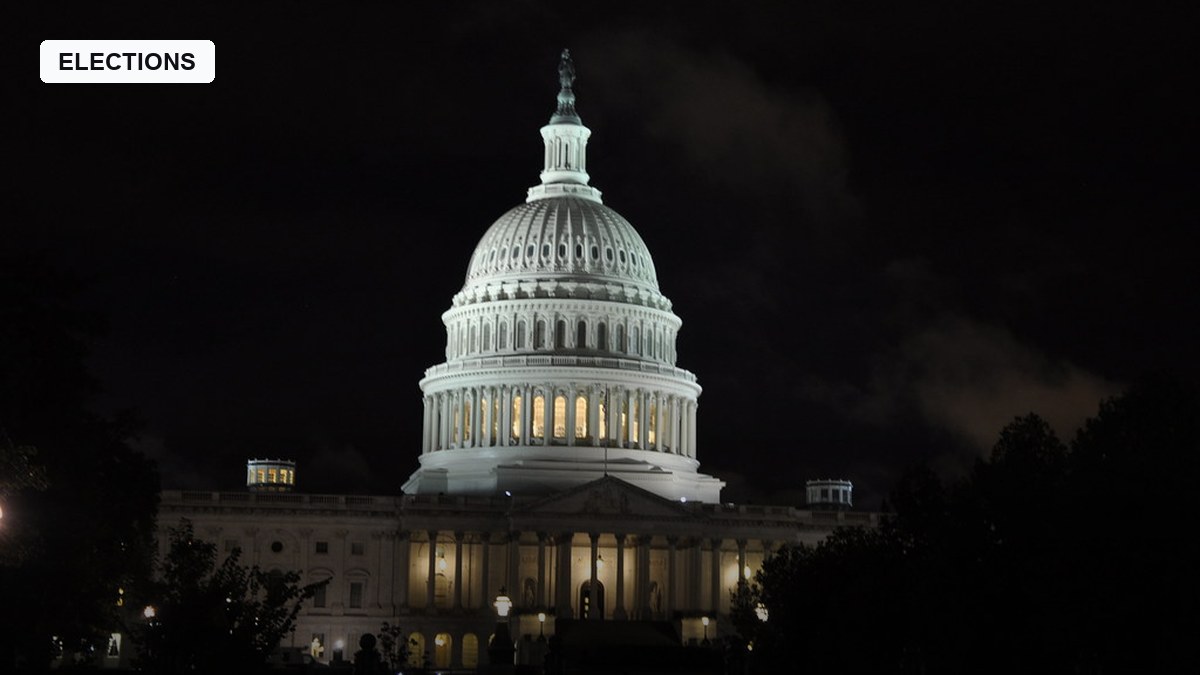
Photo: Francisco Antunes / BY via flickr