
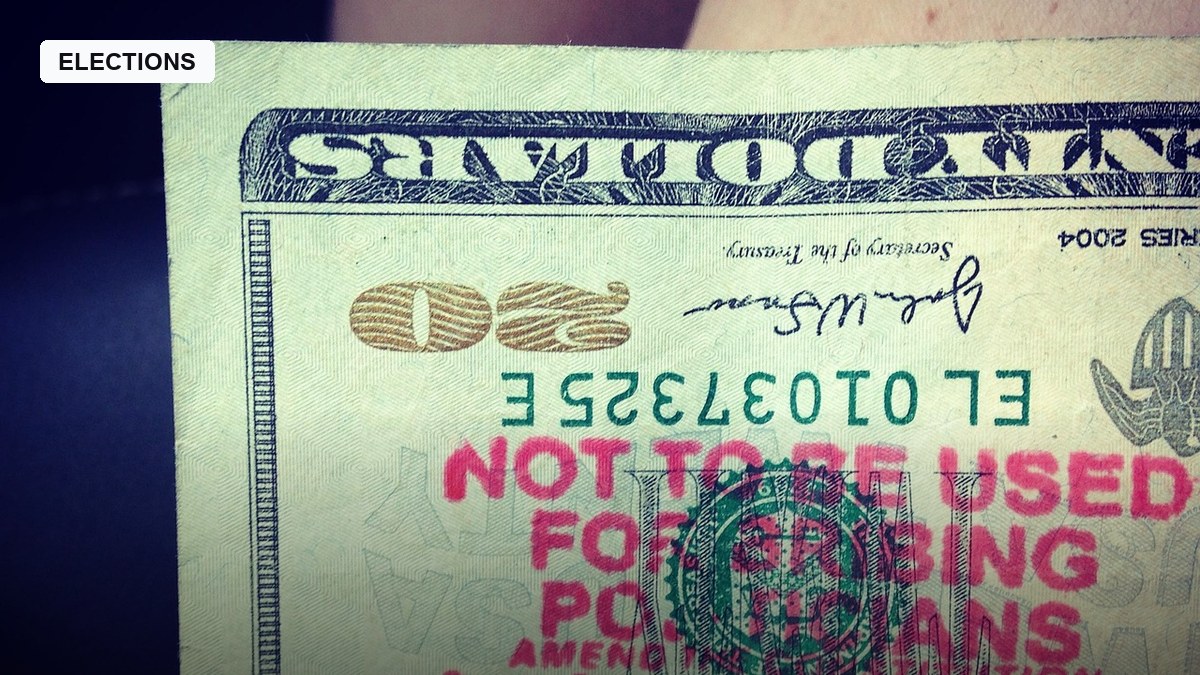
Congressional candidates and outside groups have spent $4.17 billion on 2026 midterm races as of October 20, according to FEC-data tracking, split between $3.11 billion from candidate campaigns and $1.05 billion from outside groups, as both parties pour unprecedented resources into a small number of genuinely competitive races in the campaign’s final stretch. The spending surge reflects broader industry projections that 2026 will be the most expensive midterm election cycle in American history, continuing a steady escalation in campaign costs that has characterized every election cycle over the past decade as digital advertising, targeted mail and television buys have all grown more expensive and more sophisticated.
Where the Money Is Actually Concentrated
Despite the overall spending total, the money has been heavily concentrated in a relatively small number of races, with 15 House contests having already passed $20 million in spending and 70 having crossed the $10 million threshold, while the average House race nationally has drawn roughly $5.4 million. New York’s 12th congressional district has emerged as the single costliest House race in the country, with combined spending reaching $65.7 million as of the most recent tracking update, a figure that exceeds what entire statewide Senate campaigns spent in smaller states during past election cycles and underscores how concentrated the nation’s most competitive districts have become as battlegrounds for both parties’ resources.
Republicans Hold a Spending Edge in Key Toss-Ups
Advertising tracking data cited by Newsweek found that as of October 12, Republicans held a spending advantage in seven of eight Senate races rated as a toss-up or lean by the Cook Political Report, along with a spending edge in 25 of 42 competitive House races nationally. That financial advantage in the campaign’s closing weeks has prompted renewed Democratic fundraising appeals, even as the party has continued to hold polling leads in several of the same contests where Republicans currently maintain the spending edge.
How Redistricting Has Reshaped the Spending Map
A political advertising outlook published in October 2026 noted that recent redistricting has made 28 House seats less competitive than in prior cycles, a shift that analysts say is concentrating advertising dollars even more heavily into the smaller pool of seats that remain genuinely contested. That dynamic means total national ad spending figures, however large, increasingly understate just how saturated media markets have become in the specific districts and states where the 2026 midterms will actually be decided.
Why 2026 Is Shaping Up as a Record-Setting Cycle
Industry forecasts from AdImpact project total political advertising spending, encompassing all races on the ballot rather than congressional contests alone, will reach a record $11.6 billion for the full 2026 cycle, a figure that would represent a substantial increase over the already elevated spending levels seen in the 2024 presidential cycle. That broader projection includes gubernatorial, state legislative and ballot measure spending alongside the federal congressional races that dominate most national spending trackers. Rising per-impression costs for both broadcast and digital advertising inventory have compounded the effect of higher overall spending totals, meaning campaigns are increasingly paying more for the same amount of voter reach compared to prior election cycles.
What the Spending Patterns Suggest About Party Strategy
Democratic strategists have generally framed their party’s comparative spending disadvantage in several toss-up races as a temporary gap likely to close in the campaign’s final days, pointing to historically strong grassroots fundraising performance in competitive districts as evidence that late-arriving small-dollar donations will help offset the current Republican advantage in outside group spending specifically. Republican strategists, meanwhile, have pointed to their current spending lead as validation of sustained voter enthusiasm and donor confidence heading into the final stretch of the campaign.
What to Watch as Spending Peaks in the Final Days
With roughly a week remaining before polls close on November 3, campaign finance trackers expect spending totals to climb further still, particularly in the handful of House and Senate races where both parties view the stakes as high enough to justify continued escalation even at historically elevated cost levels. Whether the current Republican spending advantage in key toss-up contests translates into actual electoral gains, or whether Democratic polling leads in several of the same races hold despite being outspent, will offer an important test of how much financial advantage still matters relative to other factors shaping the 2026 midterm outcome.
Photo: cmfg804 / PIXABAY via Pixabay
