
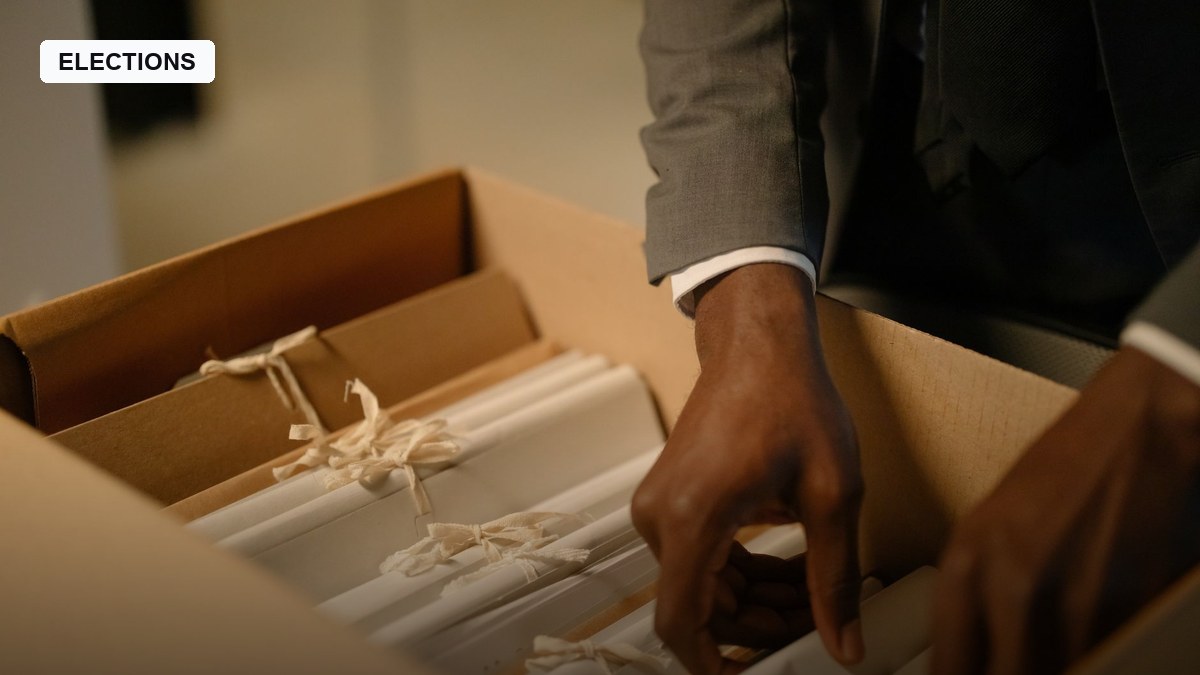
The Department of Homeland Security has carried out a coordinated voter fraud investigation effort across nine states from early September through mid-October 2026, according to reporting on internal guidance, with Homeland Security Investigations offices directed to pursue leads, conduct interviews and support prosecution referrals in the weeks leading up to the November 3 midterm election. The timing of the directive, arriving so close to Election Day, has itself become a point of contention among election administration specialists. The effort has drawn both sharp political controversy and considerable skepticism from election security experts who question the reliability of the data methods reportedly being used. Several of the named states have already requested formal written clarification from DHS about the specific legal authority underpinning the investigations.
What the DHS Investigation Effort Reportedly Involves
Internal guidance reported by multiple news outlets described a plan for Homeland Security Investigations field offices in nine states to take coordinated investigative action examining voter rolls for potential cases of noncitizen voting or other registration irregularities, with the effort explicitly timed to run through the weeks immediately preceding the midterm election. Connecticut’s top election official publicly confirmed the state was among those named as part of the effort, while similar confirmations or pushback emerged from election officials in other targeted states.
Why Election Experts Have Raised Data Reliability Concerns
Multiple election administration experts have cautioned that the public voter roll data reportedly being used to identify potential noncitizen voting cases is insufficiently detailed and frequently outdated, making it poorly suited to reliably distinguishing between genuine instances of ineligible voting and far more common administrative explanations, such as a voter’s citizenship status changing after initial registration or simple data entry and matching errors across different government databases. These technical limitations have been a recurring criticism of similar voter roll matching efforts attempted by various states and federal agencies in past election cycles.
The Broader Political Context Shaping This Effort
DHS Secretary Markwayne Mullin has publicly defended the department’s approach, stating that the agency plans to review voter records after Election Day and will continue investigating alleged election irregularities in states that decline to cooperate with the federal effort, a posture that has drawn criticism from Democratic officials and some election law experts who argue it represents federal overreach into an area of election administration traditionally reserved for state and local authorities. Mullin has specifically asserted that dead individuals have somehow voted in past elections, a claim that has been publicly disputed by several state election officials.
How States Have Responded to Being Named in the Effort
Reactions from the nine reportedly targeted states have varied, with some state election officials expressing willingness to cooperate with legitimate federal inquiries while emphasizing that their own existing list maintenance and verification procedures already address the overwhelming majority of potential registration irregularities through routine administrative processes. Other state officials have been more openly skeptical of the federal effort’s methodology and timing, raising concerns about potential voter intimidation effects given the investigation’s proximity to the election itself.
What Research Says About the Actual Scale of Voter Fraud
Academic and nonpartisan research on voter fraud in US elections has consistently found that instances of fraud, including noncitizen voting, occur at exceedingly low rates relative to total ballots cast, a body of evidence that election experts have cited in questioning whether an investigation effort of this scale and timing is proportionate to the actual documented risk. Proponents of the DHS effort have countered that even low absolute numbers of fraudulent votes can matter in sufficiently close races, making continued vigilance worthwhile regardless of overall fraud rates, an argument that has found a receptive audience among voters already skeptical of election administration more broadly.
What’s Next
With the investigation effort reportedly continuing through mid-October and Mullin indicating further review planned after Election Day, the federal voter fraud push is likely to remain a point of political contention through and beyond the November 3 election, particularly if any close race results prompt disputes that reference the investigation’s findings or methodology. Election law experts will be watching closely for any formal prosecution referrals or public findings that emerge from the effort in the weeks following the election, outcomes that could either validate or further undermine confidence in the federal government’s underlying methodology.
Photo: cottonbro studio / PEXELS via Pexels
