
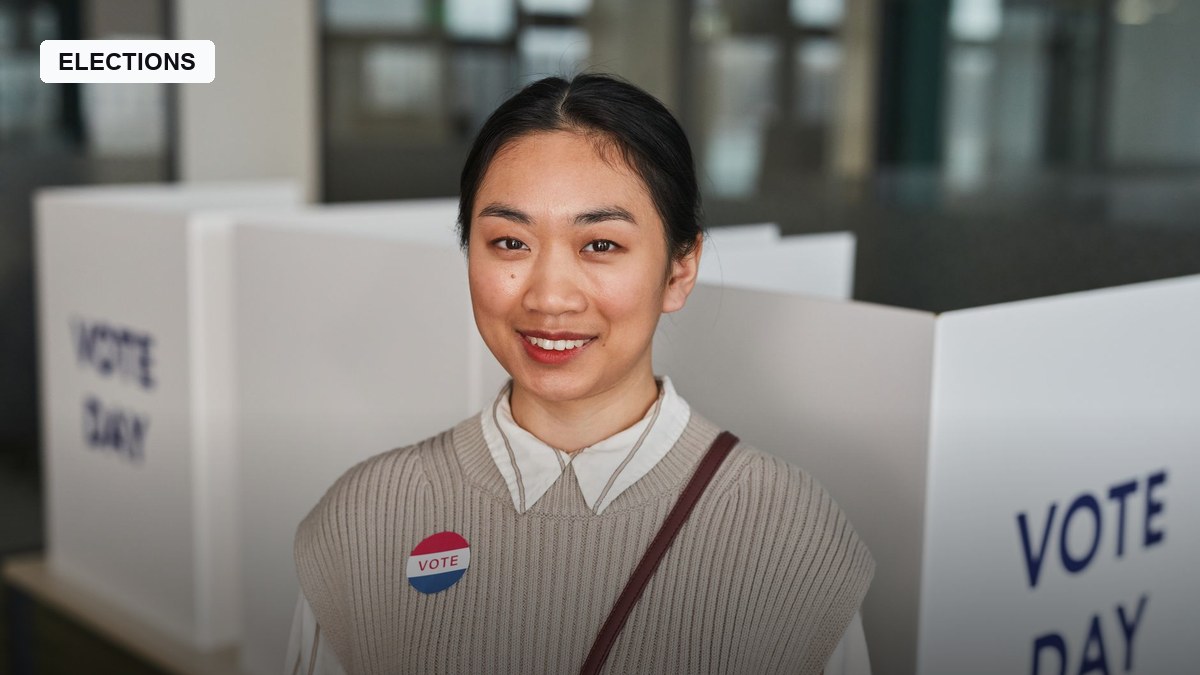
Ohio’s early in-person voting has drawn nearly four times as many voters as it did at the same point in the 2022 midterm election, according to data released by the Ohio Secretary of State’s office, a dramatic surge that election law experts attribute to a combination of competitive statewide races, lingering uncertainty about mail ballot processing, and heightened voter concern about national political issues shaping the 2026 cycle. The spike marks one of the most significant early voting increases reported by any state this cycle.
What’s Driving the Dramatic Increase
Jonathan Entin, a law professor at Case Western Reserve University, has pointed to several converging factors behind Ohio’s early voting surge, including the state’s prominent and closely watched Senate race between Sherrod Brown and Jon Husted, broader national anxiety over mail ballot processing timelines following years of controversy around postal voting procedures, and intensified voter engagement tied to national political controversies that have made this midterm cycle feel unusually consequential to many voters. That combination has pushed voters who might otherwise have waited until Election Day to instead cast ballots during the early voting window.
How Ohio’s Senate Race Has Shaped Voter Engagement
Ohio’s Senate race, featuring a competitive contest that has drawn significant national party spending and attention, has served as a major driver of the state’s elevated political engagement this cycle, with both campaigns running extensive turnout operations aimed at maximizing their respective bases’ participation. The intensity of that race has likely contributed meaningfully to the broader early voting surge, since competitive top-of-ticket races have historically correlated with higher overall voter engagement across the rest of a state’s ballot.
The Mail Ballot Uncertainty Factor
Continued public uncertainty and political controversy surrounding mail ballot processing timelines and security, fueled in part by ongoing federal rhetoric questioning mail voting integrity, has pushed some Ohio voters toward in-person early voting as a method they perceive as offering greater certainty that their ballot will be counted and processed without delay or dispute. This dynamic reflects a broader national pattern in which voter confidence in specific voting methods has become increasingly politically polarized in recent election cycles.
What This Means for Ohio’s Election Infrastructure
The dramatic increase in early in-person voting has placed additional operational demands on Ohio’s county election boards, which have had to manage higher-than-anticipated volumes at early voting locations while still preparing for Election Day itself, a logistical challenge that election administrators across the state have said they are managing but that underscores the broader strain elevated turnout can place on election infrastructure built around more typical midterm participation levels.
How This Compares to Other States’ Early Voting Surges
Ohio’s nearly fourfold increase stands out even among a broader national pattern of elevated 2026 early voting, with states including South Carolina, Colorado and Georgia all reporting early voting totals well ahead of their 2022 midterm pace. The scale of Ohio’s specific increase, however, has drawn particular attention from election analysts as one of the most dramatic shifts reported by any state election office this cycle.
What’s Next
With early voting continuing through the final days before November 3, Ohio election officials will be watching whether the surge translates into a correspondingly higher overall turnout once Election Day results are tallied, a pattern that would mark a significant departure from typical midterm participation rates. The outcome of Ohio’s competitive statewide races will offer an early test of whether this surge in engagement translates into electoral outcomes that differ meaningfully from historical midterm patterns in the state.
Photo: Edmond Dantès / PEXELS via Pexels
