
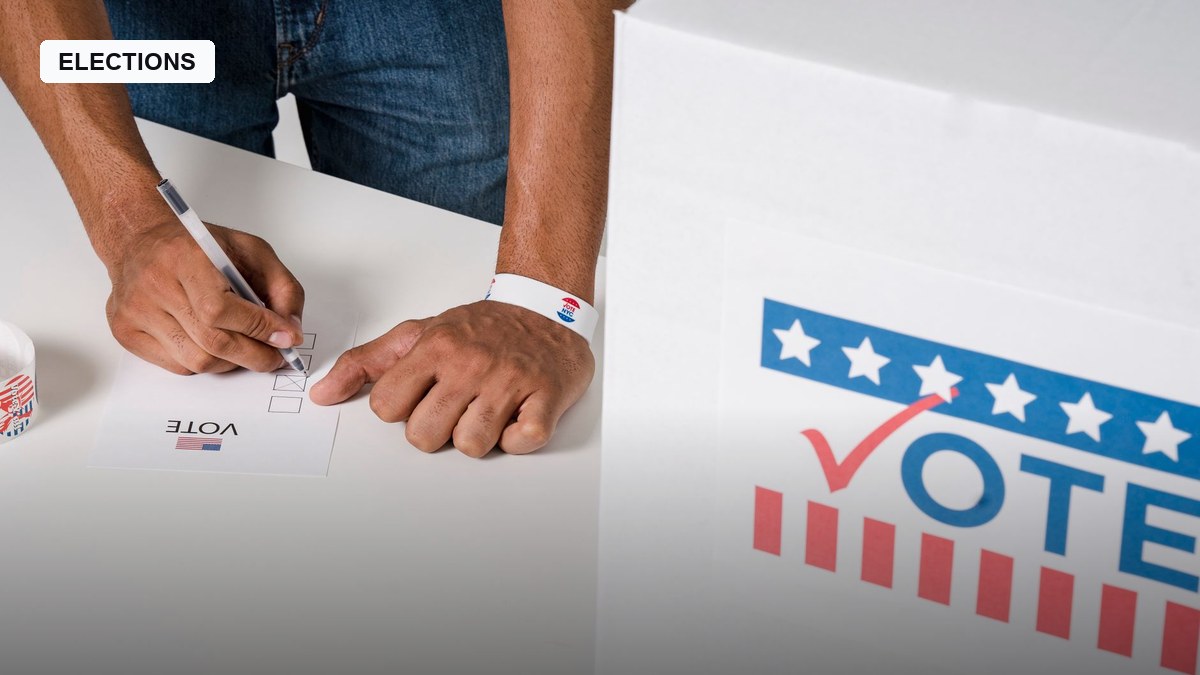
More than 18 million Americans had cast early ballots in the 2026 midterm elections as of approximately October 22, according to tracking by the University of Florida’s Election Lab, with early voting running well ahead of comparable points in the 2022 midterm cycle across most reporting states. The surge in early participation reflects both expanded early voting infrastructure in many states since 2022 and what election administrators and political analysts describe as unusually high voter engagement for a midterm election cycle.
Why Early Voting Has Surged Compared With the Last Midterm
Election administrators and political scientists tracking the early vote have pointed to several contributing factors behind the elevated turnout, including a series of competitive, high-profile Senate and gubernatorial races drawing national attention and spending, continued public uncertainty around mail ballot processing timelines that has pushed some voters toward in-person early voting instead, and broader national political engagement tied to contentious issues including abortion ballot measures and federal election security disputes. These factors have combined to produce early voting numbers that, in several states, are running multiples higher than at the same point in 2022.
How States Are Reporting Dramatically Different Turnout Patterns
Ohio’s secretary of state reported early in-person voting running nearly four times higher than at the same point in the 2022 midterm, a surge a Case Western Reserve University law professor attributed to competitive statewide races, continued uncertainty about mail ballot processing, and heightened voter concern about national political issues. South Carolina saw more than double the turnout of the 2022 midterm on the first day of its early voting window, while Colorado reported more than half a million ballots cast with early turnout outpacing 2022 across all party affiliations tracked by the state.
What High Early Turnout Typically Signals, and What It Doesn’t
Political scientists caution that elevated early voting numbers do not necessarily predict a higher overall final turnout, since early voting can also simply represent a shift in when and how voters who would have cast ballots anyway choose to do so, rather than genuinely new participants entering the electorate. Pollster Scott Rasmussen has specifically cautioned that overall turnout levels, not simply the pace of early voting, will ultimately determine whether Republicans can defy standard midterm forecasting patterns that typically favor the party out of power in the White House.
The Texas Complication: Voter Registration Data Errors
Texas’s early voting window, which opened October 19 and runs through October 30, has been complicated by reports of voter registration data errors that election administrators and voting rights advocates say could affect some voters’ ability to confirm their registration status or polling location ahead of Election Day. Dallas County reported strong first-day turnout of more than 76,000 voters, while Tarrant County’s first-day numbers, though up from 2022, came in below the turnout seen during the 2024 presidential election, a comparison that reflects the generally lower engagement typical of midterm relative to presidential election cycles.
How Both Parties Are Interpreting the Early Numbers
Democratic strategists have pointed to strong early turnout in competitive states as an encouraging sign for their effort to flip Senate and gubernatorial seats, while Republican strategists have cautioned against reading too much into early vote composition, noting that voting method preferences have shifted in recent cycles and that strong early numbers do not necessarily indicate which party’s voters are turning out in greater relative share. Both parties’ turnout operations have intensified get-out-the-vote efforts in the final week given the stakes both see in the current numbers.
What’s Next
With early voting continuing in several states through the final days before November 3, election officials will be watching whether the elevated pace holds through Election Day itself, a pattern that would suggest overall turnout could exceed typical midterm levels. Final turnout figures will not be clear until after polls close, but the early voting data already available has given both parties a wealth of information to calibrate their closing campaign strategies.
Photo: Sora Shimazaki / PEXELS via Pexels
