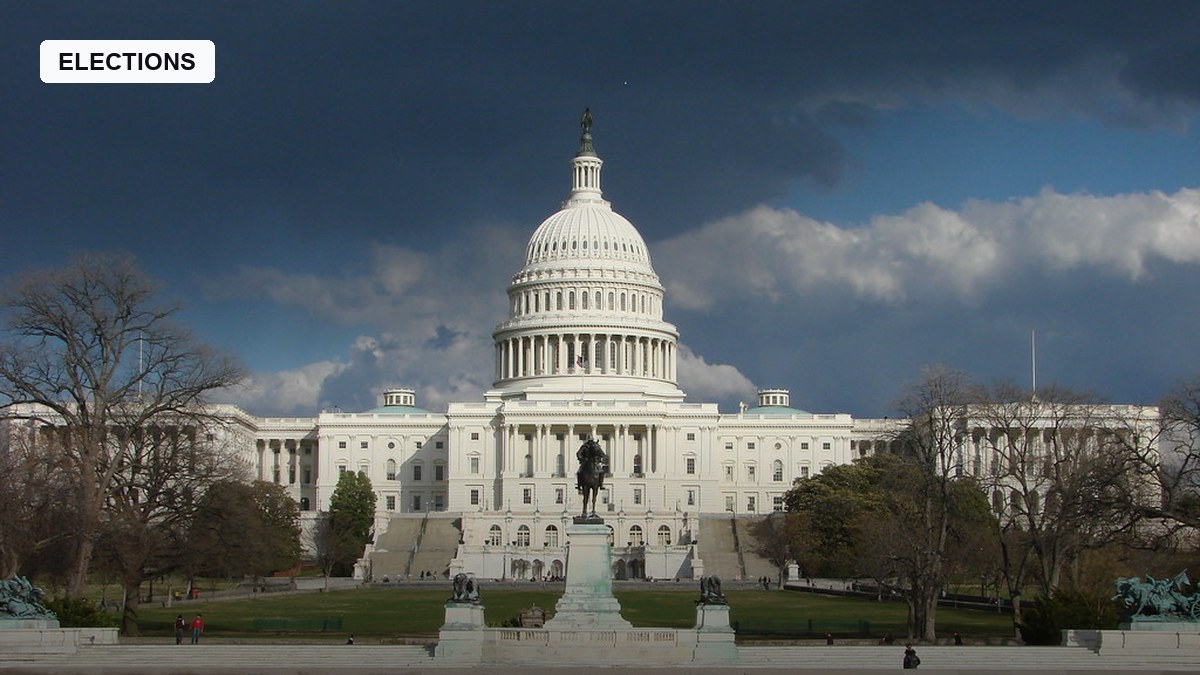
The latest campaign-finance picture for the 2026 House races reveals a split-screen story: Democratic candidates are out-raising Republicans in the districts that will decide the majority, even as the GOP’s national apparatus sits on a bigger war chest for the stretch run.
Grassroots energy vs. institutional cash
FEC filings covering January through April show Democratic enthusiasm translating into dollars at the candidate level, with Democrats outraising Republicans in many of the contests that will determine control of Congress. Yet the national committees tell the opposite story: the DNC, DCCC and DSCC, along with allied super PACs House Majority PAC and Senate Majority PAC, have been outraised by their Republican counterparts this cycle. Democratic momentum at the grassroots is real — but so is the Republican cash-on-hand advantage that can be unleashed in the fall.
The swing-district standouts
Several frontline members posted big quarters. Republican Rep. Young Kim of California led the pack with more than $2 million, followed by Democrat Eugene Vindman of Virginia at $1.6 million. Other competitive-district incumbents with seven-figure quarters included Republicans Mike Lawler (New York), Ken Calvert (California), Mariannette Miller-Meeks (Iowa), Derrick Van Orden (Wisconsin), Juan Ciscomani (Arizona) and Tom Barrett (Michigan).
Vulnerable Democrats under pressure
The money is not flowing evenly. Some vulnerable Democrats were outraised by self-funding challengers: in North Carolina, Republican Sandy Roberson raised $2.3 million to Rep. Don Davis’s $700,000, and in Nevada, Republican Marty O’Donnell pulled in $3 million against Rep. Susie Lee. Self-funders can scramble the math in a single district overnight.
Why it matters
Fundraising is an early proxy for enthusiasm and competitiveness, and money buys the ads, staff and turnout operations that win close races. But cash-on-hand at the national level matters just as much down the stretch, when the heaviest spending lands. The current split — Democratic candidate energy against Republican institutional reserves — sets up a financial arms race through November.
The bottom line
Democrats have the grassroots fundraising edge in the districts that matter; Republicans have more money banked nationally. With the most expensive phase of the campaign still ahead, the 2026 House fight will be decided as much by how that money is deployed as by how much of it there is.
Photo: Allie_Caulfield / BY via flickr