Democrat Hannah Pingree has opened a commanding lead in the race to succeed term-limited Maine Gov. Janet Mills, with a CBS News/YouGov poll released Oct. 2 showing her ahead of Republican Bobby Charles, 56 percent to 44 percent. The result tracks with September polling that found Pingree leading 48 percent to 36 percent over Charles, with independent candidate Rick Bennett drawing roughly 8 percent support — numbers that have held steady as Maine heads toward its Nov. 3 general election.
An Open Seat After Mills’ Two Terms
Mills, who defeated former Gov. Paul LePage to win a second term in 2022, is barred under Maine law from seeking a third consecutive term, opening the governorship for the first time since 2018. Pingree spent six years inside the Mills administration, serving as director of the Office of Policy Innovation and the Future from 2019 until stepping down in 2025 to run for governor. Before that, she served in the Maine House of Representatives, including a stint as speaker, making her one of the best-known Democratic figures in state politics heading into the race. She is also the daughter of U.S. Rep. Chellie Pingree, giving her name recognition across the state’s First Congressional District.
Charles’ Path to the Republican Nomination
Bobby Charles emerged from a competitive Republican primary field to become the GOP nominee, part of a crowded field of candidates that also included contenders from Gorham and other parts of the state vying to replace Mills. Charles has campaigned on reducing state spending and regulatory burdens, arguing that Maine’s cost of living and energy prices have risen too fast under years of Democratic leadership in Augusta. Republicans have struggled to win the Maine governorship outside of LePage’s two terms, and Charles’ campaign has focused on turning out rural and coastal communities outside the Portland area that have periodically backed Republican statewide candidates.
Bennett’s Independent Bid Complicates the Math
Independent Rick Bennett, a former Maine Senate president, has drawn a consistent but modest slice of the electorate, polling around 8 percent in September surveys. Maine’s history of competitive independent candidacies — including two terms by independent Gov. Angus King in the 1990s — means Bennett’s presence on the ballot adds uncertainty to turnout models even though his support has trailed well behind both major-party candidates. Pingree’s campaign has argued her lead is durable enough to withstand any late movement toward Bennett, while Charles’ allies have suggested a tightening race in the final weeks could still change the equation if conservative-leaning independents consolidate behind one candidate.
Fundraising and the Closing Argument
Pingree’s campaign reported raising more than $1.2 million in the July 15 to September filing period, a sum that has allowed her to maintain a steady advertising presence across the state’s media markets in Portland, Bangor and beyond. Democrats have framed the race as a referendum on continuing Mills-era investments in education, health care and infrastructure, while Republicans under Charles have countered that eight years of one-party Democratic control in Augusta has left the state with higher costs and sluggish economic growth, particularly in rural counties. Mills herself remains active in Maine politics; she has publicly discussed a potential run for U.S. Senate against incumbent Republican Susan Collins, a race that is unfolding in parallel with the governor’s contest and has added to the statewide attention on Maine’s 2026 ballot.
What’s Next Before Nov. 3
With roughly a month left before Election Day, Pingree enters the stretch with a polling advantage that has held consistently across multiple surveys, including the Oct. 2 CBS News/YouGov result showing her 12 points ahead. Analysts watching the race say Charles would need a significant late shift to close the gap, though Maine’s history of close statewide races and its ranked-choice voting system for some elections mean campaigns there rarely take outcomes for granted until ballots are counted. Both campaigns are expected to spend the final weeks campaigning across the state’s rural counties, where Bennett’s independent candidacy could still siphon votes that might otherwise break for Charles. Bennett, who previously served as a Republican state senator before leaving the party, could draw support from moderate voters uneasy with both major-party nominees, a dynamic Maine has seen before in statewide races featuring strong independent contenders.
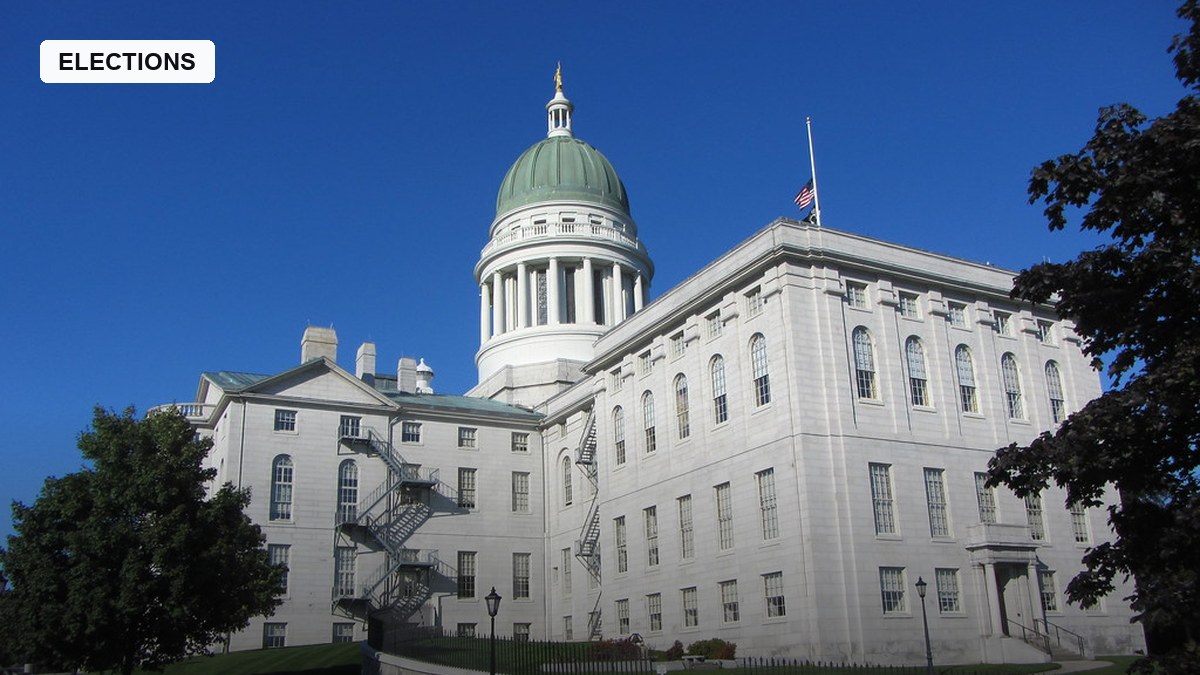
Photo: davidwilson1949 / BY via flickr