The map for the 2026 midterms is being redrawn in real time, and a single Supreme Court decision is the reason. The fallout from Louisiana v. Callais has triggered a redistricting scramble that could decide control of the U.S. House before a single vote is cast.
What the Court did
In Louisiana v. Callais, the Supreme Court ruled that a Louisiana congressional map had been drawn with race in mind and was therefore unconstitutional. The decision reshaped how the Voting Rights Act applies to map-drawing — and critics have faulted the Court for changing election law so close to a national election. Whatever one’s view, the practical effect was immediate: Republican-led states moved quickly to draw new maps they expect to favor their party.
The scale of the change
Roughly 145 million people — about two of every five U.S. residents — now live in states with new congressional districts for this election. That is not a marginal tweak; it is one of the largest mid-cycle redraws in recent memory, and it lands in the highest-stakes environment possible, a midterm that will set the balance of power in Washington.
Who gains
Analysts see Republicans as the clear short-term beneficiaries. The GOP could net around 10 additional House seats if the new districts perform as designed, and party strategists believe the ceiling may be as high as 16 across eight states that enacted new maps — Texas, Missouri, North Carolina, Ohio, Florida, Tennessee, Louisiana and Alabama. Louisiana’s legislature passed a new map on May 29 that altered the 6th district in a way that reduced the share of Black voters and is expected to flip it toward Republican control.
The integrity question
Redistricting is legal, and every party does it when it can. But drawing maps this close to an election — and in the wake of a ruling that narrowed a core civil-rights protection — raises hard questions about whether voters are choosing their representatives or representatives are choosing their voters. Voting-rights advocates warn that maps reducing minority representation invite both litigation and an erosion of public trust.
The bottom line
The candidates and the campaigns will get the attention this fall, but the districts may matter more. With tens of millions of Americans voting in newly drawn seats, the 2026 midterms will be, in part, a referendum on the maps themselves — and on a Supreme Court that reshaped them at the eleventh hour.
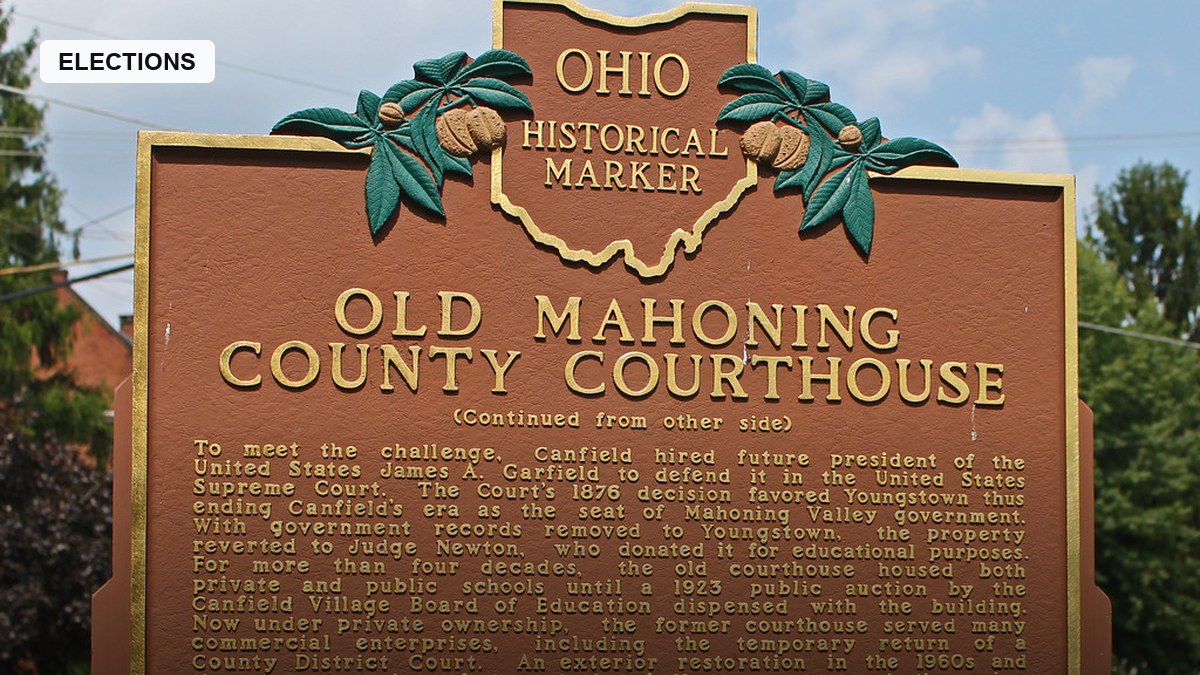
Photo: Jack W. Pearce / BY-SA via flickr